loading

Author: Dr T.Selva

Where steps become prayers: Thaipusam at Batu Caves

 On Thaipusam today, Batu Caves reveals itself as far more than stone steps and steep climbs. Each of its 272 steps carries prayers, vows, and silent acts of endurance, turning a physical ascent into a sacred inner journey.

Batu Caves, leading to the Sri Subramaniar Swamy Temple in Kuala Lumpur, is not merely a place of worship but also a geological marvel and a global symbol of faith, energy, and alignment.

From a Vasthu Sastra perspective, Batu Caves enjoys a powerful natural setting.

Carved into ancient limestone estimated to be over 400 million years old, the caves rise from the earth like a natural sacred mountain.

In Vasthu, mountains and elevated landforms are considered reservoirs of stabilising cosmic energy, grounding human aspiration while drawing the mind upward.

Perhaps this is why Batu Caves has, for generations, drawn seekers not only to worship but also to realign themselves with a higher order.

For me, Batu Caves embodies a spiritual journey that has unfolded across the many stages of my life.

I have visited this iconic site countless times since childhood, and each climb has carried new meaning for me as a boy, a reflective adult, and one devotee among the sea of pilgrims who gather here during Thaipusam.

Vasthu teaches us that spaces interact differently with us as we change.

What once felt physically demanding later becomes emotionally revealing, and eventually spiritually instructive.

Batu Caves is among Malaysia’s most revered Hindu shrines and is recognised worldwide as a centre of devotion.

I was there on Friday, two days before the event, to avoid the crowds and heat, standing among thousands of devotees and visitors who turned the limestone cliffs and temple grounds into a living spectacle of faith, endurance, and surrender.

The sheer scale of human movement, flowing steadily toward the cave, mirrors what Vasthu calls prana flow, energy in motion, purposeful and directed.

At the foot of the caves stands the golden statue of Lord Murugan, commanding both awe and reverence.

Rising 42.7 metres, the tallest Lord Murugan statue in the world gleams under the sun, radiating majesty and serenity.

The Lord Murugan statue now stands alongside Christ the Redeemer in Rio de Janeiro, Brazil and the Kaaba, Masjid al-Haram (Mecca, Saudi Arabia), as the world’s top three most-photographed spiritual icons.

From a spatial perspective, its placement is significant. In Vasthu, a guardian deity positioned at the threshold anchors protective energy and establishes a sacred boundary.

More than a monument, the statue feels like a sentinel, watching over Kuala Lumpur and the steady stream of devotees climbing the steps with offerings, prayers, and penance.

In its stillness, I sensed strength, protection, and an unspoken invitation to rise above personal struggles with the same courage reflected in the pilgrims’ ascent.

Thaipusam has always held a special place in my heart.

From an early age, I was drawn to the sights, sounds, and colours that envelop Batu Caves during this sacred time.

As I joined thousands of pilgrimages, each carrying a story, a vow, or a prayer, some offering gratitude for blessings received, others seeking healing, fulfilment, or spiritual strength.

Vasthu reminds us that intention activates space; it is not the structure alone that sanctifies a place, but the collective consciousness.

Acts of devotion take many forms. Men, women, and even children shave their heads in humility and surrender, offering their hair to the deity.

Others carry milk pots or bear elaborate kavadis, ornate wooden or metal structures adorned with peacock feathers, images of deities and flowers, often balanced by piercing.

While daunting to the casual observer, these rituals are understood by devotees as conscious expressions of faith and penance.

From an energetic perspective, these acts symbolise shedding ego and accumulated burdens, allowing the body and mind to realign.

The atmosphere was charged with chants of “Vel! Vel!” as the faithful climbed. Drums beat relentlessly, incense hangs in the air, and determination is etched onto every face.

According to Vasthu, sound is a potent activator of space. The rhythmic chanting and percussion seem to awaken the very stone beneath our feet, creating an invisible field that carries devotees forward even when the body tires.

The rainbow-painted staircase leading to the main cave temple is symbolic in itself.

Many devotees see the progression of colours as reflecting the soul’s ascent from the earthly to the divine.

Each of the 272 steps is said to represent stages in life’s journey.

The climb becomes both a physical challenge and a spiritual metaphor.

In Vasthu terms, ascending movement signifies evolution, a conscious effort to move from

heaviness, confusion, and stagnation to lightness, calm, and clear awareness.

For some, the ascent is steady and light. For others, each step is an uphill battle, mirroring burdens carried within: regret, sorrow, guilt, or unfulfilled promises.

I saw devotees pause midway, tears flowing freely, as though the climb had unlocked emotions long suppressed.

Others winced in pain yet pressed on, believing that suffering itself is part of the offering.

The body, Vasthu tells us, stores unresolved energy; movement, prayer, and intention allow it to be released.

What strikes me most is that this pilgrimage is never about speed.

It is not about who reaches the top first, but how one arrives there.

Each person’s pace reflects their inner state and the invisible weight they carry.

Some arrive breathless and exhausted; others seem to glow with calm.

Yet when the summit is finally reached, a shared sense of relief washes over the crowd.

Faces once strained soften into smiles, and many believe they have shed their sins upon those steps, emerging lighter in spirit.

Each time I make this climb, I feel a renewed connection, not only with Lord Murugan, but with the countless devotees who have walked this path over centuries.

As a boy, the steps alternated between daunting and playful.

With age, they became mirrors of life’s trials, mistakes, and lessons.

There were times when my own ascent felt heavy, echoing personal struggles.

Yet standing before the sanctum at the summit, I experienced the same release so many devotees describe, a clearer mind, a calmer heart, and the quiet assurance that burdens, too, can be transcended.

The Batu Caves pilgrimage transcends religion.

What makes Batu Caves extraordinary is that it is not merely about ritual, but transformation. The ancient limestone stands as a silent witness to humanity’s enduring search for meaning. The steps remind us that every journey, however demanding, has a summit.

And the temple at the top reminds us that when space, intention, and faith align, as Vasthu teaches, we find the strength to rise above the burdens of life.


Award-winning writer Dr T. Selva is the author of the bestsellers Vasthu Sastra Guide and Secrets of Happy Living. To get a copy, WhatsApp 019-2728464. He can be reached at drtselvas@gmail.com. Facebook: Vasthu Sastra


Golden Temple: Where the soul meets the divine

It was just before dawn in Amritsar, India, when I stepped barefoot into the world’s sacred precinct that never sleeps, the Sri Harmandir Sahib, the Golden Temple.

Last week, despite the cold winter air, my heart felt unexpectedly warm.

As I bowed my turbaned head and entered through the arched gateway, I was reminded that this was not merely a visit to a holy site, but my pilgrimage, one that gently strips away ego, labels and restlessness, leaving only humility and stillness behind.

From a Vasthu Sastra perspective, holy spaces are never accidental.

Their placement, orientation, openness and flow are carefully aligned to harmonise cosmic energies with human consciousness. The Golden Temple is a living embodiment of this ancient wisdom.

Built at ground level, unlike most places of worship that rise above, it symbolises humility, equality and openness.

One does not climb to reach the Divine here; one descends inward.

I have made more than a dozen pilgrimages to the Golden Temple over the years, yet each visit feels like my first, for the connection it offers is never the same, always renewed.

The first sight of the temple shimmering in the Amrit Sarovar, a holy man-made lake excavated by the fourth Sikh Guru, Ram Das, in the late 16th century and known for its spiritual significance and healing properties, is unforgettable.

Water, according to Vasthu and spiritual science, is a powerful conductor of energy and memory.

Sitting on the banks of the lake, I felt an immediate quietening of the mind.

The reflection of the gleaming sanctum in the still waters reminded me that spiritual clarity arises only when the inner waters are calm.

Many devotees rush straight to darshan, but I chose to sit by the water first, allowing the space to prepare me.

As I gently walked the parikrama, a Vedic tradition of circumambulating water, barefoot on the cold marble, each step became a form of meditation.

In Vasthu, circumambulation is not merely ritualistic; it aligns the human energy field with the rhythmic flow of space.

Walking clockwise around a sacred centre balances the nervous system and grounds wandering thoughts.

I noticed how even the most hurried souls unconsciously slowed down here.

Inside the temple, the live, soulful recitation of holy hymns, Gurbani, filled the air.

Sound, like space, is a powerful carrier of energy.

I sat in stillness and spent hours in the spiritually energised enclosure, even without understanding every word; the kirtan’s vibration penetrated deeply, bringing tears to flow naturally.

In Vasthu terms, blessed sound activates dormant energies within a space and its occupants.

It is no coincidence that the Golden Temple is never silent, day or night, prayer flows continuously, keeping the spiritual energy alive and vibrant.

After receiving blessings called darshan through the auspicious gaze of the holy book, I accepted the karah prasad (a sweet pudding in Sikhism) with cupped hands.

This simple act carries symbolic meaning. It teaches receptivity, a quality often missing in modern life and modern homes.

In Vasthu, a house that is too closed, too rigid, or too defensive blocks abundance.

Similarly, a heart unwilling to receive grace remains unfulfilled.

No pilgrimage to the Golden Temple is complete without the langar, the world’s biggest community kitchen that serves free food to 50,000 to 100,000 visitors daily.

Sitting cross-legged on the floor alongside strangers from every walk of life, I was struck by the thoughtful spatial equality this arrangement creates.

There are no elevated seats, no special enclosures, no hierarchy.

In Vasthu, a balanced space is one in which the ego dissolves, and harmony prevails.

The hall is perhaps one of the most spiritually powerful dining spaces in the world, not because of its architecture, but because of the intention infused into it.

What makes the Golden Temple truly unparalleled is not just its sanctity, but its lived spirituality.

The continuous food served there is not charity; it is equality in action.

In a world divided by status, wealth, and belief, the Golden Temple quietly teaches humanity’s highest lesson, that service to people is service to the Divine, and compassion never sleeps.

I also spent time observing volunteers cleaning floors, cutting vegetables, serving food, and washing utensils, all with quiet dedication.

From a spiritual and Vasthu viewpoint, spaces retain the imprint of actions performed within them.

Continuous selfless service keeps the Golden Temple energetically pure.

It made me reflect on our homes: how often do we consciously cleanse them not just physically, but emotionally and energetically through prayer, gratitude, and service?

Despite the temperature dropping 3 degrees, I made it a point to visit during the early morning hours, known as Amrit Vela, the time to connect with the Divine.

The tranquillity at that hour is indescribable.

In Vasthu, the pre-dawn period is considered the most sattvic, ideal for prayer, contemplation, and setting intentions.

The Golden Temple at that hour felt less like a physical structure and more like a breathing, living presence.

Before leaving, I returned once more to the edge of the lake and sat in silence.

Pilgrimages, I believe, are not meant to impress us with grandeur, but to quietly transform us. The Golden Temple teaches insightful Vasthu lessons without ever naming them: openness, balance, humility, continuous purification, and alignment with natural elements.

As I walked out after spending five days here, covering my head once again, I realised that the true journey begins after one leaves the sanctified space.

The challenge is to recreate the same harmony in our homes and hearts, to build spaces that nurture peace, design lives that allow flow, and live with humility regardless of status or success.

The Golden Temple does not ask who you are, where you come from, or what you believe.

It only asks that you enter with respect and reverence and leave lighter than when you arrived.

In a world increasingly cluttered with noise and division, this revered space stands as a timeless reminder that when space is aligned with spirit, the soul naturally finds its way home.

To me, the sleepless Golden Temple stands as the world’s foremost pilgrimage site. It opens its doors and its heart to everyone, without distinction, welcoming and feeding all, twenty-four hours a day.


Award-winning writer Dr T. Selva is the author of the bestsellers Vasthu Sastra Guide and Secrets of Happy Living. To get a copy, WhatsApp 019-2728464. He can be reached at drtselvas@gmail.com. Facebook: Vasthu Sastra


The roof, a spiritual shield over our home

An aerial shot of rooftops of city buildings with red shingles

Every home, according to Vasthu Sastra, is a living organism, a sacred body that breathes, feels, and responds to the subtle forces of the universe.

The ancients viewed a house not as inert brick and mortar, but as a living extension of human consciousness.

The foundation represents the feet, grounding the structure to the earth; the walls form the body, holding and protecting life within; and the roof is the head or crown of the dwelling. Just as the human head receives divine light and channels awareness throughout the body, the roof absorbs, filters, and distributes cosmic and solar energies into the home beneath it.

Though often regarded as merely a structural necessity, the roof plays a far deeper role in Vasthu philosophy.

It is the part of the house that connects directly to the sky element of ether, governing space, expansion, awareness, and higher consciousness.

A roof designed with balance and awareness becomes a protective crown, ensuring that the family lives under divine grace.

When built without harmony, however, it may invite stress, instability, and financial imbalance into one’s life.

Vasthu considers the roof the spiritual shield of the home and the primary receiver of astronomic forces.

The ancients believed that cosmic rays, sunlight, moonlight, and rainwater carry subtle vibrations from nature’s five elements — earth, water, fire, air, and ether.

The roof, being the home’s first point of contact with these elements, determines how these energies are received, moderated, and transmitted into the living spaces below.

A well-balanced roof is therefore said to bestow protection, good health, peace, and prosperity upon the occupants.

Symbolically, the roof represents the mind of the house. When the roof is even, proportionate, strong, and well-maintained, the minds of the inhabitants tend to remain calm, clear, and focused.

When it is cracked, leaking, uneven, or neglected, it often mirrors emotional instability, confusion, anxiety, or disharmony within the family.

Vasthu reminds us that physical defects often reflect energetic imbalances.

The slope and direction of the roof are among the most important considerations in Vasthu design.

Energy, like water, flows naturally from higher to lower points, and its movement must align with auspicious directions.

A slope towards the north or east is considered highly favourable, allowing beneficial solar and magnetic energies to gently descend into the home.

Slopes towards the south or west are discouraged, as they symbolise energy loss and may manifest as obstacles, declining health, or financial stagnation.

In modern architecture, flat roofs are common. Vasthu does not oppose them, but stresses that they must be perfectly level.

Any depression where water or heat stagnates can trap energy at the top of the house.

Such stagnation may manifest as lethargy, indecision, missed opportunities, or blocked progress for the occupants.

Sacred structures such as temples and shrines often feature pyramidal or dome-shaped roofs, designs chosen not merely for beauty, but for their ability to amplify and preserve divine vibrations.

These shapes create a subtle vortex of spiritual energy. Homes also benefit when rooflines are symmetrical, proportionate, and balanced with the structure below.

Vasthu further advises that the south and west sides of the roof should be slightly higher than the north and east sides, encouraging auspicious energy to flow gently from high to low, in harmony with the natural path of sunlight.

Traditionally, homes used natural roofing materials such as clay tiles, terracotta, wood, stone, or thatch, each carrying its own elemental vibration.

Clay and terracotta roofs are especially auspicious because they are born of the earth and allow the house to “breathe,” harmonising effortlessly with both the soil below and the sky above.

Modern materials such as concrete and metal are acceptable when used wisely.

Metal roofs should be properly earthed to prevent excess static energy, while concrete roofs benefit from ventilation, skylights, or rooftop gardens to release trapped heat and restore energetic flow.

Within this broader understanding, the roof’s colour assumes great importance.

In Vasthu, roof colour is not a matter of fashion or trend; it influences how the house absorbs, reflects, and balances cosmic energy.

Since the roof is the crown of the home, its colour should convey stability, calm authority, and quiet strength.

Earthy and natural shades are considered most auspicious, such as light brown, sand, beige, terracotta, muted ochre, light orange, off-white, and gentle greens like olive or sage.

These colours ground excessive energy, promote emotional balance, mental clarity, and steady prosperity, and support harmonious relationships within the household.

Traditional brick-red or natural tile-red roofs are also acceptable when used moderately and in harmony with the surroundings.

Such tones enhance vitality and protection without overwhelming the home’s energetic field. In contrast, very dark or aggressive colours are discouraged. Black, deep navy, dark blue, grey and overly bright reds tend to absorb excessive heat and heavy vibrations.

Over time, these shades may contribute to mental stress, irritability, emotional heaviness, conflicts, and financial stagnation.

Neon, metallic, glossy, or artificial finishes disrupt the natural energy flow, while patchy or multi-coloured roofs symbolise instability and fluctuating fortunes.

Vasthu further teaches that rainwater flowing from the roof symbolises the movement of abundance in one’s life.

Ideally, water should drain towards the north or east, indicating prosperity and positive momentum.

Leaks, cracks, and damp patches are more than physical defects; they signal energetic weakness.

A leaking roof suggests that the home’s “crown chakra” is compromised, making timely maintenance both a practical and spiritual responsibility.

In ancient times, rooftops were sacred spaces used for sun worship, grain drying, meditation, and prayer.

Even today, a simple rooftop garden, a Tulsi plant, or lighting a lamp at sunrise or sunset reconnects the home with nature’s rhythms and infuses the dwelling with peace and positive vibrations.

The rooftop becomes a meeting point between the human and the divine, where the earthly home touches the vastness of the heavens.

Ultimately, the roof reflects the family’s collective consciousness beneath it.

When it is clean, balanced, harmonious in form and colour, and well cared for, it signifies clarity of thought, divine protection, and spiritual alignment.

In the grand philosophy of Vasthu, the roof is not merely a cover over our heads; it is the crown through which the home communes with the cosmos.

When aligned with nature’s laws, it transforms from a structure of shelter into a dome of blessings, silently channelling grace, stability, and prosperity into every room below.


Award-winning writer Dr T. Selva is the author of the bestsellers Vasthu Sastra Guide and Secrets of Happy Living. To get a copy, WhatsApp 019-2728464. He can be reached at drtselvas@gmail.com. Facebook: Vasthu Sastra

When the walls in your home speak

Dr T Selva

THE walls of a home are silent witnesses to everything that unfolds within: laughter, prayers, conversations, and even unspoken emotions.

Although we often view them as mere barriers dividing rooms, in the ancient science of Vasthu Sastra, walls are much more than structural supports; they are living conductors of energy, shaping the mood, prosperity, and destiny of those who dwell within.

Just as the human body is enclosed by skin that protects and breathes, the walls

of a home form its protective skin, absorbing, transmitting, and reflecting vibrations.

A house with balanced, properly energised walls is said to radiate harmony, while one with neglected or imbalanced walls can subtly affect residents’ peace of mind, health, and success.

According to Vasthu principles, every wall corresponds to one of the four cardinal directions, and each direction carries its own elemental energy and spiritual symbolism.

When we understand these alignments, we can harness their power to enhance well-being.

The East is ruled by the Sun (Surya), the giver of light, vitality, and new beginnings.

Walls facing this direction should be kept light, open, and clutter-free to allow subtle energy to flow into the home.

Ideally, avoid using dark paints or placing large, heavy cabinets on the east wall, as these can obstruct the natural flow of life-force energy.

Soft shades of cream, beige, or white invite positivity and clarity of thought.

The West governs stability, satisfaction, and the fruition of efforts.

This wall can be heavier and more solidly built, offering the energetic foundation that keeps the home steady.

It is a good location for cupboards or storage units. Earthy tones, such as beige or muted brown, promote a sense of groundedness and endurance.

The North, ruled by Lord Kubera, the deity of wealth, holds a special place in Vasthu.

Keeping this wall clean and well maintained helps sustain financial growth and opportunities. Ideally, it should not be burdened with large obstructions.

Subtle shades of white are considered auspicious in this context.

The South direction, under Lord Yama, the guardian of discipline and protection, is best represented by a tall, sturdy wall and it can be thicker.

Its strength shields the house from negative influences.

However, too many openings or windows in the south can weaken the home’s protective energy.

The use of warmer shades such as peach, light terracotta, or soft pink adds warmth and vitality while maintaining balance.

Colour, according to Vasthu, is not just aesthetic; it is energetic. Each hue vibrates at a frequency that influences the mind and emotions of the inhabitants.

Light and natural tones help calm the senses, while excessively dark or dull colours can weigh down the atmosphere. The north and east walls should ideally carry lighter shades to invite brightness and optimism, while the south and west walls may bear slightly denser tones

for support and security.

Avoid black, dark grey, or deep red or yellow on dominant walls, as they may invite tension or aggression.

When choosing wall colours, always consider how they make you feel, because walls absorb your emotions and amplify them over time.

Cracks, stains, or peeling paint are not merely cosmetic issues in Vasthu; they are signs of energy imbalance.

Cracked walls can represent instability in relationships, finances, or health.

Damp patches are associated with emotional stagnation and suppressed feelings within the family.

Attending to these defects promptly is both a practical and spiritual remedy.

Walls that carry heavy emotional imprints, such as from frequent arguments or sadness, can be gently cleansed using simple purification techniques.

Wiping walls periodically with salt water, lighting incense or lamps near them, or reciting sacred chants can help neutralise lingering negativity and restore the home’s subtle harmony.

The images and objects that adorn our walls also carry energetic significance.

Paintings or photographs depicting serenity, nature, or joyful human expressions uplift the home’s vibration.

Conversely, abstract art that conveys confusion, violence, or sorrow can subconsciously affect residents’ mood.

Avoid placing images of deities throughout your home; place them exclusively in the prayer room. Also, avoid images of violence, war, sadness, loneliness, crying people, and wild ani- mals in attack mode.

Family photos placed on the west wall signify togetherness and endurance, while inspiring artwork on the east wall can foster hope and renewal.

Ultimately, Vasthu reminds us that the home is a mirror of the self.

The cracks, colours, and symbols we place upon our walls often reflect the state of our own inner walls, our boundaries, emotions, and sense of protection. When our surroundings are balanced, we feel supported and at ease; when they are neglected, our inner peace begins to

erode.

Remember, a house is built with walls and beams, but a home is made with love and dreams.

When those walls align with nature’s laws and are maintained with care, they cease to be mere enclosures; they become living protectors, silently nurturing harmony, abundance, and spiritual growth within.

  • Award-winning writer Dr T Selva is the author of the bestsellers Vasthu Sastra Guide and Secrets of Happy To get a copy, WhatsApp 019-2728464. He can be reached at drtselvas@gmail.com or Facebook: Vasthu Sastra


Listening to the sea’s silent sermon

The waves can be therapeutic to gaze at, but each swell carries a message that can resonate with you.

At first, it was just a pleasant view; the kind that soothes your senses after a long day of travel or work.

But as the minutes stretched into hours, the sea began to speak, not in words, but in waves.

Its voice rose and fell with the tides, carrying a quiet wisdom that only a peaceful heart could hear.

I found myself drawn to the shoreline of My Khe Beach in Da Nang, Vietnam, recently, long after the tourists had packed up their beach towels and the fishermen had returned with their catch.

The sun hovered low above the horizon, casting golden ripples on the gentle but unpredictable tide.

There was a stillness in the air, broken only by the rhythmic breathing of the sea.

I sat on a comfortable seat at the lounge restaurant, which has specially designed seating for guests to relax and admire the constant four layers of waves.

From there, one enjoys an unobstructed view of the South China Sea, facing the vast expanse of blue, simply observing the rhythm of the waves, without expectation and without thought.

The first message the sea whispered was about temporality.
Each wave rose gracefully, formed its crest, and then dissolved back into the ocean; never the same again.

I watched this endless repetition and felt something within me shift.

The sea was reminding me that nothing in life remains static. Every joy, every sorrow, every triumph and disappointment has its moment before it recedes into memory.

Holding on only creates resistance; flowing with life’s tides brings peace. The ocean, in its vast rhythm, was teaching me to let go.

As I continued gazing, a sense of surrender began to take over. The water’s constant motion seemed to dissolve my thoughts.

My worries about work, responsibilities, and the passing of time drifted away with each retreating wave.

The horizon stretched endlessly, merging sea and sky in one seamless embrace. I felt small, yet deeply free.

The sea seemed to whisper, “You don’t need to control everything. You are part of a greater flow. Trust it.”

The waves, I realised, are like life itself, sometimes calm, sometimes turbulent, but always in motion.

When the tide is high, it teaches us courage; when it is low, it invites reflection. Both are necessary for balance.

There is a divine rhythm in this recede and flow, just as there is in our own existence.

The sea reminded me that even in the midst of uncertainty, life knows its way, much like the waves that always find their way back to shore.

There was also a reflective lesson in patience. Watching the waves is unlike watching a film or a clock; there’s no storyline, no climax, no conclusion.

It is simply being. The longer I sat, the quieter my mind became. Thoughts that once rushed like gushes slowed to a gentle stream.

In that stillness, I discovered how truly restorative it can be just to be present, to listen without needing to respond, to observe without needing to interpret.

As twilight deepened, I began to see how the sea mirrored human emotions.
At times it shimmered under the fading sunlight, soft and tender; at other moments it grew restless, crashing onto the shoreline with raw intensity.

Isn’t that what our inner world is like? Our minds shift between serenity and storm, clarity and confusion.

Yet beneath the surface of all emotions lies the same steady depth, a place untouched by turbulence.

The ocean’s vastness reminded me that peace isn’t the absence of waves; it’s the awareness that we are greater than them.

The sea also carried the message of renewal. Every wave that kissed the shore seemed to erase footprints, shells, and sandcastles, leaving behind a fresh canvas.

It was as though nature was softly saying, “You too can start again.”

No matter what the day has brought, the night brings rest, and the dawn brings another chance.

The ocean doesn’t cling to what was; it lives in perpetual flow and forgiveness.

As darkness descended, a silvery moon appeared above the horizon, casting a serene glow over the water.

The tide continued its ancient dance, indifferent to time. I understood how brief our human lives are compared to this endless sea, yet how deeply connected we are to it.

We, too, are made of the same elements: water, salt, breath, and spirit. The sea outside us is a reflection of the sea within.

Sitting there for hours, I felt as if I had attended a silent sermon, one without words but rich in truth.

The waves spoke of humility, patience, faith, and renewal. The breeze carried the fragrance of freedom.

The horizon reminded me of infinite possibilities that await when the mind is clear.

By the time I rose to leave, the night had deepened, and the beach was nearly empty.

Yet something within me felt complete, not with thoughts, but with peace.

I had come to the sea seeking rest, and instead, it gave me reflection.

The experience left a lingering calm, a reminder that whenever life feels overwhelming, one only needs to sit by the ocean and listen.

The sea has no scriptures, no lectures, and yet it preaches the most incredible truth of all: that everything passes, everything returns, and everything belongs.

Award-winning writer Dr T. Selva is the author of the bestsellers Vasthu Sastra Guide and Secrets of Happy Living. To get a copy, WhatsApp 019-2728464. He can be reached at drtselvas@gmail.com. Facebook: Vasthu Sastra


The silent wisdom of staircases

In Vasthu Sastra, the ancient Indian science of architecture, nothing within a home is considered accidental.

Every direction, proportion, and movement is believed to influence the invisible currents of energy that shape our well-being.

Even something as ordinary as a staircase, often designed purely for function in modern homes, carries a deeper symbolic and energetic meaning.

One of the most widely discussed principles of Vasthu concerns the direction a staircase turns because the staircase is regarded as the heart of the house.

Many assume this rule is rigid, but like most ancient sciences, Vasthu is layered with interpretation, symbolism, and practicality.

The traditional preference for a clockwise ascent is rooted in the auspicious practice of clockwise movement around a sacred space.

This motion mirrors the sun’s journey across the sky and is believed to align human activity with cosmic rhythms.

A staircase that turns clockwise as one ascends is thought to support the natural flow of prana, or life force, within the home.

It is also a practical observation: for most people, particularly right-handed individuals, turning to the right feels more natural, stable, and safe.

Over time, ancient seers observed that spaces designed in harmony with natural movement felt effortless and reassuring, while those that went against it often felt unsettling.

From this understanding arose the belief that anti-clockwise staircases may symbolically resist natural flow, potentially leading to restlessness or unnecessary obstacles in life.

Vasthu regards an anti-clockwise staircase as inauspicious because it runs counter to the traditional cosmic movement, which is clockwise.

Such a configuration is believed to disrupt the smooth circulation of energy, creating resistance in energy flow and leading to stagnation or turbulence within the home.

This imbalance can affect the rhythm and balance qualities, which Vasthu associates with the dwellers’ hearts, symbolising harmony, steady circulation, and continuity.

An anti-clockwise staircase is therefore believed to disturb the rhythmic movement of energy within the house, potentially creating subtle strain on residents’ nervous and circulatory systems over time.

In spiritual traditions, anti-clockwise movement is also associated with withdrawal, dissolution, or funerary rites, reinforcing its inauspicious symbolism within a living space. According to Vasthu principles, such defects can be remedied through corrective measures, including Vasthu Yantra ceremonies intended to ease imbalance and restore energetic harmony.

Equally significant is the number of steps a staircase contains. Vasthu traditionally favours an odd number of steps, with the landing often concluding on counts such as 19, 21, or 23.

This principle is linked to an ancient method of counting steps based on laabam (gain) and nashtam (loss).

The rhythm is simple: the first step represents gain, the second loss, the third gain again, continuing in an alternating cycle.

An odd number of steps ensures that the final step, the moment one enters the home, ends on gain, symbolically inviting prosperity and positive outcomes.

There is also a deeper yogic symbolism at play. Ascending with the right foot and concluding the climb on the right foot, which an odd number of steps naturally ensures, is associated with the solar energy channel, linked to vitality, clarity, and success.

An even number of steps, by contrast, causes one to step into the home with the left foot, traditionally viewed as less auspicious in Vedic thought.

Yet it is essential to remember that Vasthu is not a rigid doctrine frozen in time.

It is ancient architectural wisdom meant to enhance harmony, comfort, and well-being, not to create fear or anxiety.

Over centuries, interpretations have evolved, and modern Vasthu practitioners often adapt these principles to suit contemporary lifestyles, space constraints, and safety considerations.

Beyond direction and step count, Vasthu also emphasises practical design.

Staircases should be uniform in height and width, well-lit, structurally sound, and free of cracks or damage.

These recommendations, while energetically symbolic, also make complete architectural sense.

A safe, balanced staircase promotes both physical stability and mental peace.

Ultimately, a staircase is more than a means of moving between floors.

In Vasthu, it represents ascent, growth, progress, and transition.

When designed with awareness, it becomes a quiet conduit of positive energy, guiding movement not just upward, but inward, towards balance, mindfulness, and harmony within the home.

In a world where modern architecture often races ahead of reflection, revisiting such ancient insights offers a gentle reminder: when we build with consciousness, even our steps can lead us toward prosperity and peace.


Award-winning writer Dr T. Selva is the author of the bestsellers Vasthu Sastra Guide and Secrets of Happy Living. To get a copy, WhatsApp 019-2728464. He can be reached at drtselvas@gmail.com. Facebook: Vasthu Sastra


When a place calls the soul

Caption: Each of my six visits to the Lady Buddha has felt less like a trip and more like a spiritual homecoming.

Some places don’t just invite you; they call you.

Their presence lingers in our thoughts long after we’ve left, whispering for our return.

We can’t explain it logically; it isn’t about comfort, convenience, or curiosity.

It’s something deeper, an unseen connection between our soul and that land’s spirit.

For me, that place is Da Nang, a coastal city in central Vietnam.

Over the years, I have travelled to many destinations in search of spiritual experiences, but Da Nang feels different.

This year alone, I made six trips there; not planned, but due to an unseen pull.

Each time, I told myself it would be my last visit for the year, yet the call came again, silent but insistent, until I found myself boarding another flight.

Every time my plane descends over Da Nang’s shimmering coastline, a familiar calm envelops me.

There is something about the air, the light, and the rhythm of the sea that quietens the mind almost instantly.

As I drive past the Dragon Bridge and along the Son Tra Peninsula, anticipation rises, not the excitement of a tourist, but the joy of one returning home.

And then she appears. Towering against the sky, the Lady Buddha, the Goddess of Mercy, stands tall and serene, facing the vast ocean, blessing fishermen and all who come under her gaze.

Her statue, rising 67 metres high at the Linh Ung Pagoda, radiates an indescribable presence. From the moment I stood before her, I knew this was not just a monument; it was a living energy field, pulsating with compassion.

Each visit to the Lady Buddha is different, yet always the same in essence.

I am deeply grateful to my e-hailing driver, Hoanh, who faithfully wakes up early each morning to take me to the Lady Buddha for my 6 a.m. prayer of silence during every visit.

He considers this service not just a duty, but a blessing in his own life.

As I stand at her feet, I feel as though she is not merely looking at me but through me, seeing the unspoken, the forgotten, and the unresolved.

Her expression is gentle but powerful, a blend of stillness and strength that melts all restlessness.

The sea breeze brushes the prayer flags, bells chime in rhythm with the wind, and the scent of incense rises like a hymn.

Around me, devotees bow, light incense sticks, and whisper their prayers. Yet I often find myself simply standing in silence, no words, no petitions, just presence.

Sometimes I wonder why I keep returning. I can’t say it’s for ritual or routine. It feels more like a spiritual homecoming, as though a part of me belongs there.

There are moments when I sense that I have known this place before, perhaps in another time, another life.

I have come to believe that certain places hold spiritual imprints that resonate with specific souls.

These are not coincidences but karmic alignments, echoes from lives we may have lived or vows we once made.

When the time is right, the place calls us back, reminding us of something we once knew but forgot.

Da Nang, to me, feels like one such place. The ocean’s rhythm mirrors my inner stillness. The mountains seem to guard secrets I am yet to uncover.

The Lady Buddha’s gaze feels like a constant blessing, both a teacher and a protector.

Whenever I leave, there’s a tug at my heart, as if I’m leaving home rather than a destination. Yet, even from afar, her presence follows in dreams, in moments of quiet reflection, and in the pull that brings me back.

Beyond its temples and beaches, Da Nang has an unmistakable calmness, a balance of elements that feels perfectly aligned.

It is modern yet not hurried, spiritual yet not heavy. The people are courteous and gentle, the air is clean, and the energy is soothing.

Evenings by the coast often find me sitting quietly, watching fishing boats drift like stars upon the water.

The rhythmic waves become a form of meditation. I realise then that peace is not something we seek but something we reminisce about, and certain places help us remember faster.

When I look back on the half a dozen I made this year, I realise they were not ordinary trips; they were pilgrimages of the soul.

Each visit peeled away a layer of noise, revealing something simpler, purer, and truer within.

The Lady Buddha taught me wordlessly about patience, acceptance, and the strength of compassion.

She reminded me that the most thoughtful guidance often arrives in silence, not speech.

Perhaps the call to Da Nang was not to find something outside, but to reconnect with something within, that part of the soul that feels at home in stillness, in light, and in love.

As the year draws to a close, I find myself reflecting not just on the journeys taken but on what they’ve revealed.

I have come to understand that not every destination we visit is chosen by the mind.

The soul chooses some, and when the soul decides, the call becomes irresistible.

Da Nang called me, and I answered. And in responding, I discovered a truth that I wish to carry into the coming year: Home is not merely where we live, but where our spirit feels whole.

Perhaps that is why the Lady Buddha continues to draw me back because, in her presence, I find a piece of myself I never knew was missing.


Award-winning writer Dr T. Selva is the author of the bestsellers Vasthu Sastra Guide and Secrets of Happy Living. To get a copy, WhatsApp 019-2728464. He can be reached at drtselvas@gmail.com. Facebook: Vasthu Sastra


2026: The year that will push you to change

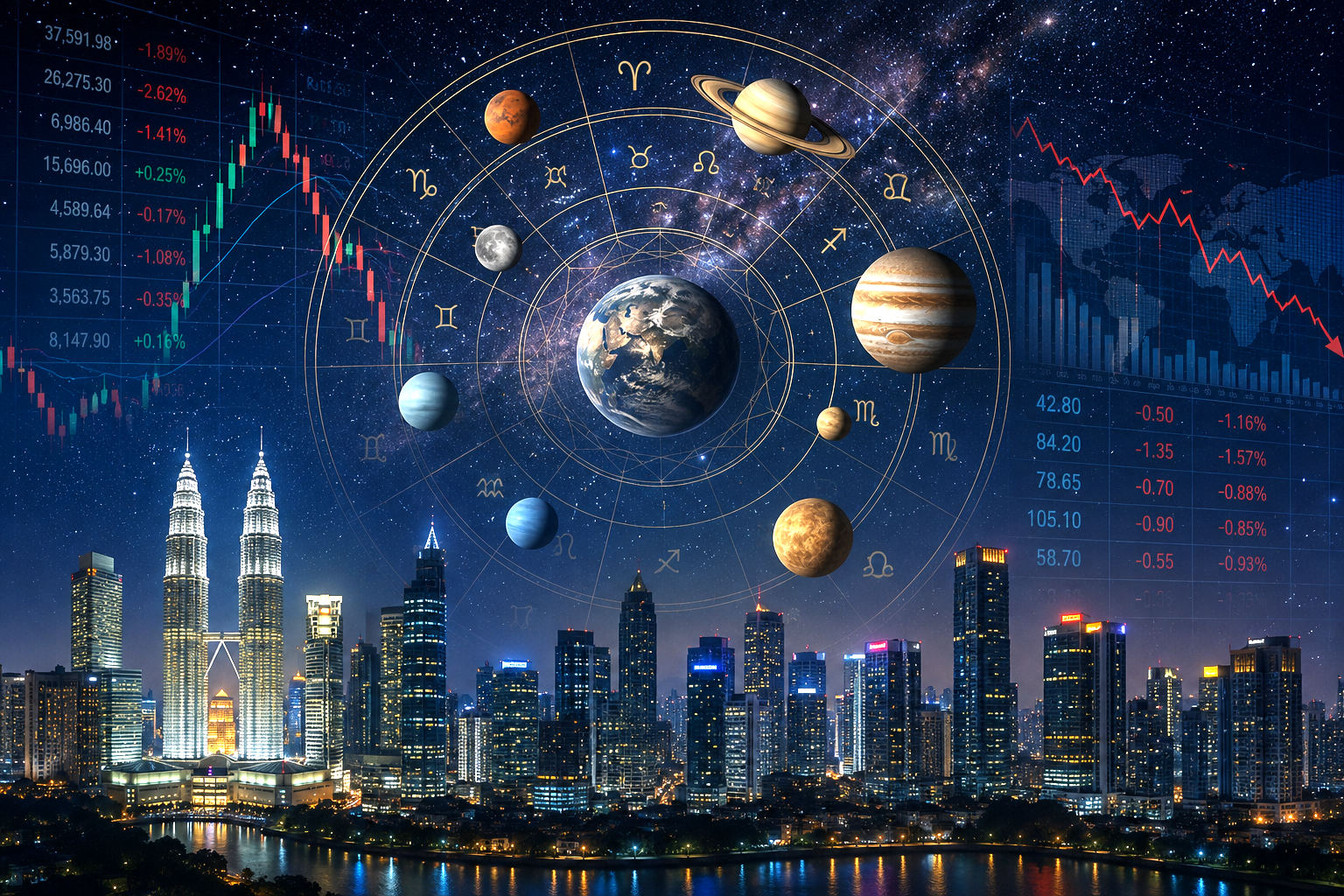
The year 2026 is likely to be a diplomatically challenging period as nations grapple with widening economic inequalities and intensifying environmental crises.

These pressures may strain existing alliances, leading to geopolitical tension and uncertainty. Yet this same global stress could also pave the way for new partnerships, particularly among countries prioritising sustainability, innovation, and technological advancement. Collaboration based on shared long-term interests, rather than short-term politics, may become increasingly vital. Countries in the east will enjoy positive developments and prosperity.

Astrologically, there is an indication of heightened vulnerability to natural disasters, intensified by climate change and human activity.

Earthquake zones, volcanic regions, and areas prone to extreme weather may experience increased instability, prompting greater global focus on disaster preparedness, early warning systems, ecological restoration, and climate-resilient infrastructure.

India-based seventh-generation astrologer Master Yuvaraj Sowma, from Chennai, sat with me and jointly analysed the 12 moon signs, highlighting key planetary influences.

Jupiter’s transit into Kataka (Cancer) emphasises stability, environmental awareness, and material progress, encouraging discussions on resource management, agriculture, and sustainable development.

Saturn’s movement through Meena (Pisces) brings attention to spirituality, compassion, and collective responsibility, pushing nations to address mental health, emotional well-being, and social inequality.

A promising year awaits individuals born under the moon signs Rishaba (Taurus), Mithuna (Gemini), Kanya (Virgo), Vrichika (Scorpio), and Kumbha (Aquarius).

These signs are likely to experience favourable developments and supportive planetary influences throughout 2026.

Those born under Dhanus (Sagittarius) and Makara (Capricorn) are likely to face a turbulent year ahead and should exercise caution in every aspect of their lives.

The remaining zodiac signs may encounter a mix of positive and challenging outcomes. However, if your forecast indicates a difficult period ahead, there is no need to feel discouraged.

You can actively overcome obstacles by engaging in prayers, undertaking pilgrimages, deepening your spiritual practice, and performing acts of charity.

In the following analysis, we explore the prospects for each moon sign, drawing insights from the Indian Almanac.

This traditional method offers a shade of understanding of planetary movements and their effects on individuals born under different lunar constellations.

It is important to remember that this analysis is based on the moon sign, known as rasi in the Indian calendar.

Western astrology, by contrast, relies primarily on sun signs. As a result, your Western zodiac sign, for example, Aries, may not correspond to the same sign in the Indian system. Determining your moon sign can be complex, so consulting an experienced astrologer is highly recommended.

Overall, 2026 offers each moon sign unique opportunities for advancement, healing, and renewal.

By embracing change with awareness and inner strength, individuals can navigate this transformative year with clarity and purpose.


Mesham (Aries): 2026 unfolds with a burst of vitality and fresh momentum.

Professionally, you will step into leadership roles, driven by assertiveness and initiative.

New projects stimulate creativity and confidence, paving the way for recognition and financial gains, especially in the middle of the year.

On the emotional front, relationships deepen, offering comfort and stability, while singles may encounter love in social or networking circles.

Health remains vibrant, provided regular exercise and mindful practices like yoga are prioritised.

Personal growth comes from stepping outside one’s comfort zone and embracing challenges with courage.


Vrishabha (Taurus): You will experience a year centred on stability and consolidation.

Career paths become clearer as hard work finally meets recognition, potentially through promotions, raises, or unexpected opportunities.

Relationships strengthen through heartfelt communication, and family matters can be resolved with patience.

Financially, you will benefit from past investments and steady planning, though stress management becomes crucial. This is your golden period, when your past blockages in your actions will clear, giving you greater confidence and success.

Self-reflection and alignment with personal values will guide you toward meaningful long-term growth.


Mithuna (Gemini): The new year is a dynamic one of learning, communication, and intellectual expansion, and be ready to embrace them.

Be prepared to pursue new educational opportunities or professional collaborations, particularly in technology, media, or creative fields.

Networking plays a significant role, with social interactions opening doors to both romantic and professional opportunities.

Although financial matters may fluctuate, you will enjoy a stable period if you take careful consideration before committing to investments.

Balancing social engagements with personal downtime becomes vital for emotional and physical well-being.


Kataka (Cancer): You will enter a deeply emotional and introspective phase in 2026.

Home, family, and personal security take centre stage, strengthening bonds and prompting new responsibilities.

With strong emotional intelligence, you will excel in supportive and nurturing career roles such as management, counselling, or caregiving.

Financial caution is advisable, especially early in the year, with long-term investments showing promise later on.

Creative outlets and journaling can help maintain emotional balance. The year ultimately fosters inner clarity and self-understanding.


Simha (Leo): Your confidence soars. Professionally, you may find yourself thrust into the spotlight, commanding attention for your talents and leadership skills.

Recognition, promotions, or creative breakthroughs are likely, though maintaining humility will enhance success.

Romantic life flourishes, with charisma attracting new admirers and deepening existing bonds.

While financial potential is strong, strategic planning and patience are essential. You are encouraged to express yourself boldly and nurture your creative spirit throughout the year.


Kanya (Virgo): The fresh year is called toward restoration, self-care, and thoughtful recalibration. You will be forced to make some bold decisions that will be in your favour. This may be a year of travel, exploration, or personal retreats that offer clarity.

Professionally, you can refine your skills or pursue additional training to enhance your prospects. Change in work and stay is inevitable, and whatever decision you take should be in your favour.

Relationships stabilise through mutual understanding and will require a selective choice of meaningful connections.

Financially, diversification is key, while health requires attention to diet, exercise, and mental wellness. Structured self-care becomes transformative.


Thula (Libra): Your relationships and balance define the new year.

Professional partnerships and teamwork thrive under your leadership, as you lead collaborative initiatives.

Romantic prospects expand, and social circles widen, offering meaningful bonds.

Financial stability depends on careful planning and avoiding impulsive decisions.

Stress reduction is essential, and mindfulness practices support overall equilibrium.

This year encourages you to reflect on your priorities and cultivate harmony in all aspects of life.


Virchika (Scorpio): You will undergo a powerful year of unstoppable transformation and renewal.

Career shifts, bold decisions, and new paths may emerge, inspiring growth and financial improvement.

Emotional intensity deepens relationships, though misunderstandings can arise, requiring openness and transparency.

Financial gains, primarily through investments, are likely with careful research.

You are encouraged to manage stress consciously and explore inner truths that will lead to meaningful personal breakthroughs.


Dhanus (Sagittarius): The year 2026 will be defined by unexpected challenges. Sudden travels may arise, bringing both opportunities and unavoidable expenses, so it is critical to move with caution and plan wisely.

Difficulties may surface at work, requiring patience, adaptability, and clear communication. In personal relationships, be especially mindful of your words; careless speech may unintentionally wound your partner and strain your bond.

Financial gains appear modest and may come through unconventional or unexpected channels.

Due to the weak planetary alignment, you may find yourself compelled to acquire new knowledge, develop fresh skills, or step into unfamiliar territory to move forward and exercise caution in finances, health, and travel.

For protection and smoother navigation through the year’s challenges, men are encouraged to wear the Chandra Karya Siddhi amulet, while women are advised to wear the Natchatra Karya amulet.


Makara (Capricorn): The year ahead brings a mixed landscape, with notable challenges in health, finances, and emotional balance.

Professional progress may feel slower than expected, requiring sustained effort and patience before long-term opportunities fully materialise.

Relationships will need careful attention, as unresolved family matters may resurface and disrupt your peace of mind. Financial and health caution is essential.

Unplanned expenses may arise, so budgeting and disciplined spending will help you stay grounded.

Health-wise, your body will signal the need for rest and mindful living. Prioritise adequate sleep, balanced nutrition, and stress management.

To ease the challenges, men are encouraged to wear the Chandra Karya Siddhi amulet. At the same time, women are advised to wear the Natchatra Karya amulet to receive protection and navigate anxiety periods with greater ease.


Kumbha (Aquarius): You will be influenced by experiences, innovation, social connection, and intellectual vibrancy.

Career advancements may arise through technology, social causes, or collaborative projects. Financial opportunities may come from unexpected or unconventional sources, though careful analysis is needed before investing.

Social relationships deepen, especially in community or advocacy spaces.

A balanced lifestyle blending social activity and self-care supports overall wellness.

You will grow by embracing individuality and contributing to causes aligned with your values.


Meena (Pisces): You will enter a year rich in emotional and career development.

Forced displacement is imminent, and you should be prepared to take it gracefully, as it will bring long-term benefits.

Intuition deepens, guiding career choices toward creative or humanitarian fields. Relationships become more intimate and meaningful as you offer empathy and understanding to loved ones.

Financial fluctuations call for cautious spending, and supplementary income avenues will surface.

Mental and emotional health benefit from artistic expression, meditation, and spiritual practice. Your personal growth will blossom through new opportunities to build multiple income streams.


Award-winning writer Dr T. Selva is the author of the bestsellers Vasthu Sastra Guide and Secrets of Happy Living. To get a copy, WhatsApp 019-2728464. He can be reached at drtselvas@gmail.com. Facebook: Vasthu Sastra


When the heart speaks without words

 I attended a concert that reminded me why live music still matters, not for its spectacle, but for the deep connection it fosters.

The performers were the legendary Ustad Rahat Fateh Ali Khan and his son, Shahzaman Fateh Ali Khan, at the Idea Live Arena in Petaling Jaya on November 1. Although packed to the last row, the venue felt like a shrine.

It wasn’t just a performance; it was a spiritual exchange, as for the first time, he shared the stage with his son, Shahzaman, in Malaysia.

As the lights dimmed, the first notes of the harmonium cut through the murmuring crowd. Rahat, in his signature orange kurta, took his seat with the quiet authority of a man who doesn’t need introduction.

To his left sat Shahzaman, his protege and musical heir, radiating reverence and readiness.

The applause faded, and suddenly, all that remained was sound, devotion, and something ineffable that filled the space between them.

The concert opened with the soulful Bollywood number “Tu Na Jaane Aas Paas Hai Khuda”, from the movie Anjaana Anjaani, instantly warming up the audience and setting a heartfelt tone for the evening.

It was followed by “Afreen Afreen,” a song immortalised by Rahat’s uncle and guru, the great Nusrat Fateh Ali Khan.

Even before the first verse ended, the crowd was transported. The song’s poetry, written by Javed Akhtar, celebrates beauty, both divine and human.

Though I don’t speak Urdu, the tenderness in Rahat’s delivery was unmistakable.

Every “Afreen”, meaning “praise be”, felt like a benediction, a soft invocation that made even the air shimmer.

I found myself wondering how a song I couldn’t linguistically understand could still feel so intimate.

Perhaps that’s the magic of Qawwali, a form that has always aimed higher than words. Originating in Sufi shrines centuries ago, Qawwali seeks not to entertain but to elevate.

Its purpose is to bring listeners closer to the divine through repetition, rhythm, and surrender. Sitting there, among hundreds swaying in unison, I realised that even without comprehension, I was participating in that same act of devotion.

When Rahat moved into “Tere Bin Nahi Lagda”, the mood shifted from exaltation to yearning.

This was one of his first major Bollywood hits, from the film Simmba, and it carried the ache of a soul searching for something beyond itself.

The line “Tere bin main kaise jiyoon” (How can I live without you) seemed to echo in every corner of the hall.

I didn’t need translation; the longing in Rahat’s voice said everything. His singing is not about ornamentation or technical brilliance, though he has both in abundance; it’s about emotion distilled to its purest form.

What struck me most throughout the non-stop 2 ½ hour show was the interplay between father and son.

Their chemistry was unspoken yet intense, the mentor and the disciple, the bearer and the inheritor of a legacy that spans generations.

They took turns performing several songs, and at one point, I could hardly tell who was singing, their voices blended so perfectly that they sounded identical.

During several songs, their voices danced around each other like twin flames.

Shahzaman’s tone carried youthful freshness, while Rahat’s was steeped in experience, together creating something that felt both old and new.

Watching them, I realised this wasn’t merely a concert; it was continuity in motion.

Then came “O Re Piya,” from the movie Aaja Nachle and with it, silence; the kind of stillness only great music can command, reverent, heavy, and collective.

The song, one of Rahat’s most beloved performances, is essentially a plea to a distant beloved, a metaphor for the Divine in Sufi poetry.

The way his voice rose on the word “Piya”, beloved, was almost unbearable in its beauty. Around me, strangers had their eyes closed, swaying, some quietly wiping tears.

I wasn’t the only one moved by a language I couldn’t speak.

Between songs, Rahat occasionally spoke, softly, humbly, thanking the audience, invoking his uncle’s memory, and acknowledging Shahzaman’s growing artistry.

At one point, he gave Shahzaman an appreciative pat on the back for his outstanding performance. In a touching gesture of respect, Shahzaman immediately bowed and touched his father’s feet.

His humility was disarming. Here was a man whose voice had graced global stages, who had sung for Bollywood blockbusters and royal weddings alike, yet he spoke like a student of the art, not its master.

Perhaps that, too, is the Sufi way, to see oneself always in service to something larger.

The concert’s climax was “Tumhe Dillagi Bhool Jani Padegi.” The song, a classic qawwali about love, loss, and transcendence, was delivered with a rawness that silenced even the most restless in the crowd.

The tabla beats grew insistent, the chorus joined in, and Rahat’s voice soared, defiant and tender at once.

It was no longer a performance; it was an invocation.

When the final note faded, there was a long pause before applause erupted, the kind of pause born not from hesitation, but from awe. We weren’t ready to return to the ordinary world just yet.

Walking out into the night, I tried to name what I had experienced. I couldn’t. I didn’t understand the lyrics, but I understood everything they meant.

The music had bypassed intellect and spoken directly to emotion, proof that the heart has its own language, one that requires no translation.

In an age where concerts often feel like spectacles, full of lights, smoke, and choreography, Rahat and Shahzaman reminded me of something simpler: that actual music is not about performance, but presence.

It’s about the human voice as an instrument of truth, longing, and grace.

Rahat’s music endures because it reminds us that even when words fail, the heart still knows how to listen.


Award-winning writer Dr T. Selva is the author of the bestsellers Vasthu Sastra Guide and Secrets of Happy Living. To get a copy, WhatsApp 019-2728464. He can be reached at drtselvas@gmail.com. Facebook: Vasthu Sastra


The silent power beneath our feet

When we step into a home, the first contact we make is with the floor.

It supports every movement, anchors every wall, and silently bears witness to the rhythm of daily life.

Yet, in the rush to choose wall colours, furniture, or lighting, flooring is often treated as a mere design element, a matter of convenience and cost.

In the ancient science of architecture, Vasthu Sastra, however, the floor is far more than that.

It represents an essential element, the Earth, which symbolises stability, support, and grounding.

The energy that flows through a house begins here, from the ground beneath our feet.

In Vasthu philosophy, the quality of the floor reflects the quality of life its occupants experience.

A smooth, level, and bright floor allows energy to move freely, creating harmony and well-being.

Conversely, a cracked, uneven, or dark floor traps energy, symbolising instability or heaviness in the household.

The ancients were keenly aware that our surroundings mirror our state of mind. A house that is solidly grounded generates inner steadiness, just as an uneven base creates subtle restlessness.

Among all flooring materials, marble has long been the preferred choice in Vasthu-compliant homes.

Beyond its natural elegance, marble possesses qualities that harmonise both the physical and spiritual aspects of dwelling.

It is considered pure, uplifting, and serene. Walking on marble gives a sense of coolness and calm, ideal for tropical climates where temperatures soar.

This natural cooling effect is not merely physical; it also soothes the mind and emotions, helping the inhabitants feel more balanced and composed.

Places of worship and sacred spaces across the world often use marble not only for its durability but for its vibrational purity.

The reflective surface of white marble is believed to magnify positive energy and spiritual vibrations.

It embodies light, clarity, and expansion, qualities that encourage purity of thought and harmony in relationships.

Homes with marble flooring often exude a quiet grace, an understated grandeur that transcends time.

Tiles, while practical and cost-effective, do not carry the same energetic resonance as natural stone.

Most tiles are synthetic or chemically processed, and their vibration is considered lacking in the ability to move, in Vasthu terms.

They may serve a functional purpose, but lack the subtle life force that natural materials radiate.

Glossy, overly reflective tiles can also cause energy to scatter, leading to restlessness rather than calmness.

That said, modern living often demands a balance between tradition and practicality.

High-quality vitrified or ceramic tiles in soft, earthy tones can still align reasonably well with Vasthu principles, provided the design is simple, the colours are soothing, and the surface is even.

For those who cannot install marble due to budget constraints, light-toned tiles with a matte finish offer a reasonable compromise.

The colors of the floor also play a vital role in shaping a home’s atmosphere.

Vasthu encourages the use of light, expansive colours that radiate calmness and invite light into the space.

Shades such as white, off-white, cream, beige, light yellow, and soft green are all favourable. They make the interiors feel more open and peaceful.

Dark like black, blue and grey or excessively bright colours, however, absorb energy and can make rooms feel heavy or agitated.

A black or deep red floor, for instance, is discouraged as it represents stagnation and conflict. Light tones, in contrast, invite serenity, helping to reflect the natural light that is so important for maintaining energetic flow within the home.

According to Vasthu, the flooring of a house mirrors the foundation of its residents’ lives.

Just as a firm and balanced floor offers physical stability, it symbolically strengthens one’s emotional and financial footing.

A home with an even floor, where no corner dips or rises disproportionately, reflects balance and harmony in the lives of those who dwell there.

The southwest should ideally be slightly higher than the northeast, symbolising strength and protection in one’s career and family life.

Cracked or chipped flooring is considered inauspicious. It is said to disturb the flow of energy and to reflect emotional fragmentation or financial strain.

Repairing or replacing damaged tiles or marble is not just an act of maintenance; it is a gesture of restoring energetic harmony to the household.

Some of the most common mistakes homeowners make include using different levels for rooms on the same floor, which can disrupt the natural flow of energy.

A lower southwest corner, for instance, can lead to instability and a loss of authority.

Another frequent oversight is leaving broken tiles unrepaired, assuming they are minor.

In Vasthu, even a small crack can symbolically represent instability. Using too many contrasting materials or loud colours can also create energetic confusion, much like noise in a peaceful space.

Overly glossy or slippery floors, though visually appealing, are discouraged as they cause energy to “slip away.”

Vasthu prefers matte or softly polished finishes that promote a sense of steadiness underfoot.

At its core, Vasthu teaches that beauty and balance are inseparable.

The floor beneath us is not just a surface to walk on; it is a silent witness to our lives.

Every echoed laughter, every prayer uttered, and every loved one’s footstep is grounded in its quiet strength.

It reminds us that what lies beneath matters most.

When the foundation is calm, balanced, and pure, everything built upon it, both the house and the life it shelters, stands steady and serene.


Award-winning writer Dr T. Selva is the author of the bestsellers Vasthu Sastra Guide and Secrets of Happy Living. To get a copy, WhatsApp 019-2728464. He can be reached at drtselvas@gmail.com. Facebook: Vasthu Sastra