loading

Author: Dr T.Selva

Ill-gotten money never brings true happiness

Almost every week, headlines reveal the government recovering millions of ringgit earned through ill-gotten means.

Reading these troubling realities often makes us uneasy as we see how some people have amassed a fortune through unscrupulous means.

The pursuit of wealth, so frequently equated with success, can sometimes come at the cost of integrity and ethics.

We live in a society where affluence is often seen as the ultimate measure of achievement, and we rarely pause to question the methods used to attain it.

Designer clothes, huge bungalows and mansions, and flashy cars can create the illusion of a life well-lived. But what happens when these luxuries are built on a foundation of dishonesty?

For some, the hunt for opulence overshadows the ethical cost of accumulating prosperity illegally.

When you look beyond the glittering surface of deceitful luck, a stark truth emerges—an unrelenting fear of exposure, the looming threat of legal consequences, and a deep void where inner peace should reside.

History has shown that possessions acquired through corrupt means never bring lasting happiness.

The ongoing 1Malaysia Development Berhad scandal is a stark reminder of this truth. A former prime minister’s once-glorious legacy is now reduced to disgrace, and his family faces severe legal and reputational consequences.

These recurring dishonours are a stark reminder that achievement built on corruption or exploitation is not a victory—it’s a betrayal of trust and a disservice to the collective good.

It’s time to redefine true victory, valuing the destination and the path we take to get there.

Across all traditions, spirituality offers reflective insights into the nature of riches and the importance of legitimacy.

The principle of “rightful living” is central to all religions. It urges individuals to earn their living in ways that do not harm others.

I am deeply grateful to my parents for instilling the values of truthful living from a young age. These values have become the cornerstone of my life and family.

My siblings and I grew up under their vigilant guidance, which was to support ourselves by choosing a career or livelihood that respected life. My late mother held a firm yet loving grip on us, ensuring we never strayed from the right path.

Buddhism teaches that attachment to material goods, mainly when acquired fraudulently, is a root cause of suffering.

I feel privileged to have studied the Secret of Happiness under the 14th Dalai Lama, who wisely said, “Wealth should be obtained honestly and used for the benefit of others. If acquired through dishonesty, it brings only misery and anxiety, not real happiness.”

Abundance obtained through immoral means may offer temporary comfort, but it can never fill the emptiness of spiritual poverty.

A life built on dishonesty lacks true peace, contentment, and lasting joy. Ultimately, a feat without uprightness is nothing more than a fantasy.

The Hindu scripture Bhagavad Gita warns that money gained through unjust means carries the weight of sin, leading to adverse karmic consequences for the individual and the family.

It emphasises the Hindu principle of Dharma, which upholds righteous living and principled prosperity.

Many spiritual traditions, including Hinduism, Buddhism, and Christianity, stress the concept of karma—the idea that every action has consequences.

Those who hurt others for personal gain will inevitably face retribution, whether in this life or the next. The outcomes of illicit wealth don’t end with the individual.

This karmic debt can manifest as financial ruin, health issues, or even the downfall of their heritage.

In many faiths, wealth is seen as a blessing from the divine, provided it is earned through sincere and honourable means.

When assets are acquired through corruption, it is believed to attract negative energies and divine displeasure.

Such individuals may find themselves increasingly isolated from divine grace, protection, and spiritual growth.

The results of riches earned illegally don’t end with the individual and will have ripple effects. Families and future generations often bear the brunt of these actions.

Children may inherit not just material wealth but also the karmic burdens of their ancestors. As their inheritance is built on sand rather than stone, they may struggle with moral dilemmas, financial instability, or a lack of purpose.

Although fraudulent money may bring temporary pleasures, it often results in long-term suffering—whether through guilt, broken relationships, or legal downfall.

Remember, guilt and shame can erode one’s peace of mind, while the trust of loved ones, once broken, is difficult to rebuild.

Actual possessions are not found in the lavishness of mansions or branded labels but in satisfaction, honourable living, and spiritual serenity.

Money earned through morality and hard work sustains our physical needs and enriches the soul.

Finally, the bequest we leave behind is not defined by the extravagance we accumulate but by the integrity of our actions and the love we share.

Only when we uphold respectable values in our search for success can we achieve a life of true prosperity and peace.


Award-winning writer Dr T. Selva is the author of the bestsellers Vasthu Sastra Guide and Secrets of Happy Living. To get a copy, WhatsApp 019-2728464. He can be reached at drtselvas@gmail.com. Facebook: Vasthu Sastra
Making peace with the snake curse

People have feared or revered snakes since ancient times because they symbolise good and destruction.

It represents spirituality, commencement, redemption, devastation, and life and death in several civilisations.

In the Hindu tradition, people worshipped snakes from the early days because several folklore, beliefs, legends and scriptures are associated with serpents.

One of the most dreaded aspects is the snake curse, which is caused by the malefic influence of the celestial bodies Rahu (head of a dragon) and Kethu (tail of a dragon) on an individual’s astrological birth chart.

Those who have the Rahu or Kethu placed in the first house and the other in the seventh house will have such a jinx in their birth chart.

Another cause could be a person knowingly or unknowingly hurting a snake or ruining a snake pit.

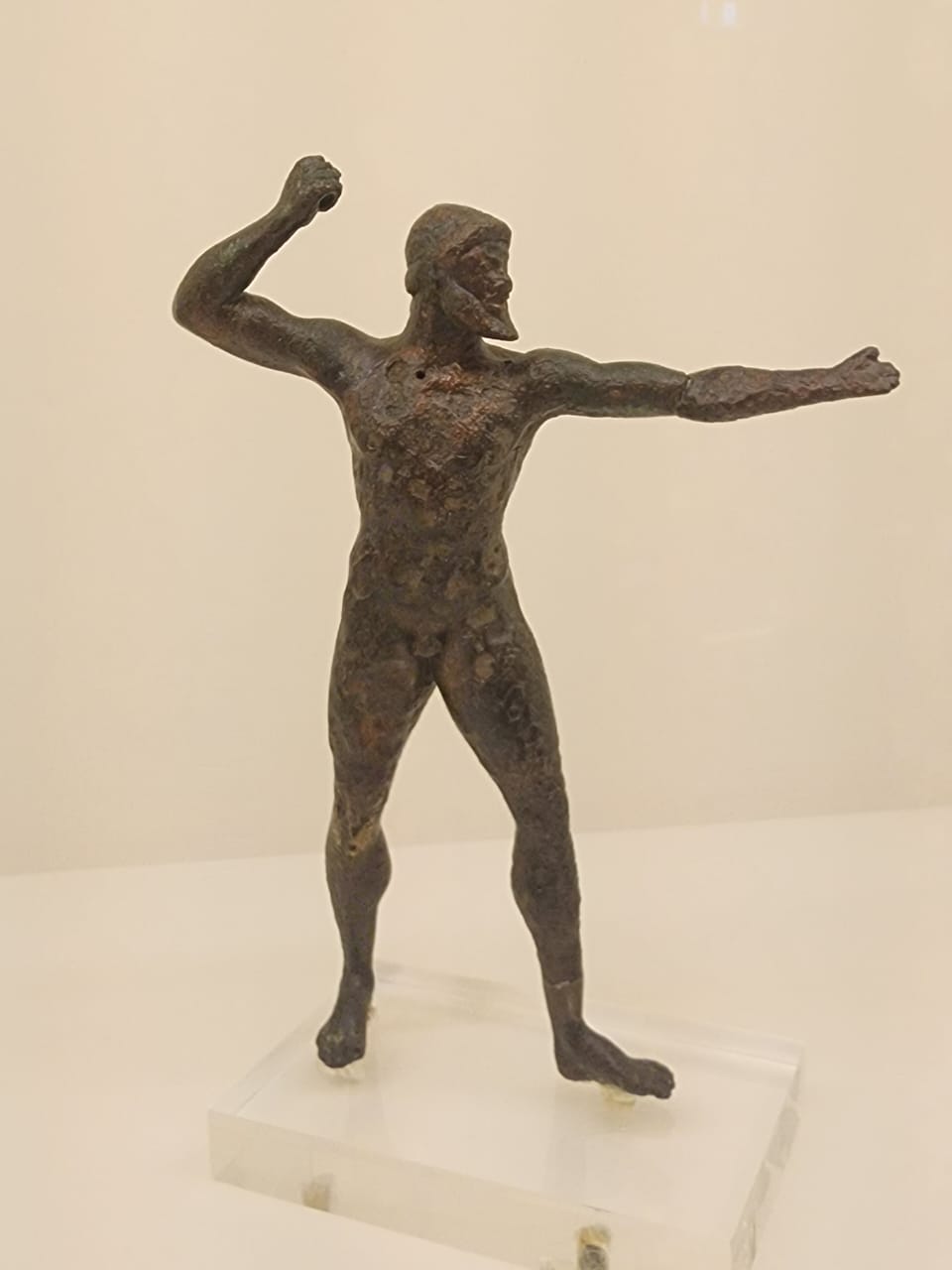
According to seventh-generation astrologer Master Yuvaraj Sowma from Chennai, India, people with snake spells will have anxiety about snakes from young, disturbing dreams about snakes and fear of seeing the reptile.

He said those having such occurrences should see an astrologer and get an accurate analysis to determine the intensity of the Naga Dosha (snake curse).

One should not dismiss or be playful about the serpent whammy because it would distress them lifelong if the issue is not remedied.

It is not a question of belief but it is a fact of life if one understands the science and studies of celestial objects and phenomena in astronomy.

Among the characteristics of the snake curse on people having it in their horoscope are:

  • Delayed marriage and marital life could face difficulties;
  • The longevity of those who are close to them may be affected prematurely;
  • They could suffer from some unexpected illnesses and skin diseases;
  • Their grand plans may not achieve the desired financial and growth results.
  • Married women may struggle in conceiving and experience miscarriages;
  • Have trouble getting along with people and their friendship does not last;
  • Sometimes, their presence and deceptive speech may hurt and cause grief to people unknowingly and
  • They could be misunderstood as unreliable, untrustworthy and ungrateful, leading to unwelcome problems in their lives.

Master Yuvaraj said they should not be blamed for their attributes, but the curse is the root cause of the problems.

He said there was hope and affected individuals should not be worried because the issues can be pacified through rituals and prayer ceremonies.

“In Hindu scriptures, snakes are viewed as demigods, and if their spirit is found to reside in a person’s body, the spell should be removed respectfully through specific holy ceremonies, or it can be unforgiving and hostile.

“One method to appease the situation is for the affected person to donate a snake deity to a temple or build a temple with a snake shrine so devotees can worship.

“This will take away the snake’s attention on the person, thus freeing the individual,” he said.

Master Yuvaraj said the move would also provide grounding for the snake spirit, leaving the individual’s body in return.

“The snake curse should be understood and not feared because there is hope in changing the adverse situation and preventing suffering.

“We have successfully performed countless peace-making prayers for the snake deity and many people have experienced positive relief,” he said.

He added that those who did not perform the ritual would carry the snake curse cycle to the next generation, and this should be stopped, or the God of the Serpent would continue to be furious.


Award-winning writer Dr T. Selva is the author of the bestsellers Vasthu Sastra Guide and Secrets of Happy Living. To get a copy, WhatsApp 019-2728464. He can be reached at drtselvas@gmail.com. Facebook: Vasthu Sastra

Ear piercing: A timeless tradition of spirituality, culture, and wellness

Ear piercing, a practice experiencing a resurgence in today’s fashion-conscious world, is far more than a modern trend.

It is an ancient art that beautifully intertwines spirituality, culture, and science, offering a philosophical connection to the past while enriching the present.

In Hinduism, ear piercing transcends gender and age. It is a cherished tradition that combines aesthetic beauty with holistic well-being.

Rooted in sacred texts and cultural practices, it enhances physical health, mental clarity, and spiritual balance.

This week, I felt inspired to explore this topic after a family member expressed a desire to pierce his ears, influenced by Tamil movies and the iconic actors who proudly wear earrings on screen.

Ear piercing, whether embraced as a holy rite of passage or a personal style statement, remains a timeless tradition.

It’s more than just a fashion accessory—it’s a bridge to heritage and wellness.

According to renowned Vedic scholar and sociologist Dr Ramesh Shastry, ear piercing connects generations, grounding individuals in their cultural roots while fostering a sense of identity and well-being.

He explains that the ears are considered sacred, serving as gateways to wisdom and knowledge.

Piercing the ears activates acupuncture points that promote intellectual and spiritual growth, aligning with the principles of Ayurveda (the science of longevity) and yoga.

“Ear piercing should not be dismissed as superstitious,” Dr. Shastry emphasises. “Rather, it should be understood as a practice rooted in deeper awareness and intentionality, guiding those who follow it.”

Traditionally performed during childhood, ear piercing signifies a child’s entry into a life of learning and discipline.

For women, earrings symbolise femininity and prosperity, while men represent strength and wisdom.

Can men pierce their ears?
While there’s no strict rule, tradition often guides the practice.

Men typically pierce their right ear, which is linked to the Sun and is believed to help regulate emotions and improve decision-making.

Historically, warriors and kings pierced their ears to signify strength and valour.

Piercing the left ear, associated with the Moon, is less common but is sometimes linked to creativity and emotional expression.

In some communities, men pierce both ears, symbolising balance and harmony in life. Whether one ear or both, the act carries deep cultural and spiritual significance, blending tradition with personal expression.

Among its purposes, health and wellness benefits are:

  • The earlobe is believed to be linked to the brain’s hemispheres. Piercing stimulates these points, potentially boosting immunity and overall health.
  • Some traditions suggest ear piercing can improve eyesight by activating pressure points connected to the eyes.
  • The earlobe is associated with the nerve, which helps regulate stress and anxiety levels.
  • Ear piercing is thought to support healthy menstrual cycles and improve reproductive health in women.
  • According to Ayurveda, the earlobes are linked to the brain’s energy channels, influencing intelligence, memory, and emotional stability. Piercing these points activates the third eye and crown chakras, heightening spiritual receptivity and overall well-being.
  • In many Hindu families, it is a way to honour ancestors and preserve customs.

Ear piercing should be approached with respect and mindfulness rather than being treated as a casual or playful activity.

It is ideally performed on an auspicious day or as part of a religious ceremony, aligning it with positive energies and spiritual significance.

Gold or silver earrings are recommended, as these metals are believed to possess healing properties.

If ear piercing hasn’t crossed your mind before, now might be the perfect time to explore its deeper significance.

Whether you’re motivated by its spiritual benefits or fascinated by its cultural richness, ear piercing offers a meaningful way to connect with tradition while embracing the health benefits it is believed to bring.

It’s not just an adornment—it’s a celebration of heritage, wellness, and identity.


Award-winning writer Dr T. Selva is the author of the bestsellers Vasthu Sastra Guide and Secrets of Happy Living. To get a copy, WhatsApp 019-2728464. He can be reached at drtselvas@gmail.com. Facebook: Vasthu Sastra
Finding meaning in life’s delays

Recently, I found myself unexpectedly stranded in Da Nang, Vietnam, for an additional night. My flight, MH749, was moments away from taking off when it was abruptly grounded due to a technical fault.

As I sat in the airport lounge, surrounded by the intensity of fellow passengers, I couldn’t help but ask myself: Why now? Why me?

The Malaysia Airlines staff apologised profusely, but the collective disappointment was hard to ignore.

Several passengers missed connecting flights, experienced work schedule disruptions, and encountered many other complications.

Yet, as the hours stretched on, something shifted. What initially felt like a frustrating inconvenience began to transform into an unexpected opportunity – a chance to pause and reflect on the unpredictable rhythms of life.

The airline provided hotel accommodations, meals, and transportation to ease the discomfort. While these gestures couldn’t erase the trouble, they softened the blow and offered a moment of respite.

In that space of forced stillness, I reflected on the nature of setbacks and the hidden gifts they often carry.

What began as a disruption to my plans became a reminder that, while troublesome, life’s interruptions can also be invitations to slow down, breathe, and find meaning in the unexpected.

That extra night in Da Nang, though unplanned, turned out to be a lesson in resilience, patience, and the art of finding silver linings.

As I settled into the Novotel Hotel overlooking the Han River in Da Nang, I started conversations with fellow passengers, each with their own stories.

A manager seated next to me confessed his fear of flying and how he coped by focusing on the destinations rather than the journey.

A young traveller shared her dream of exploring Southeast Asia despite her family’s concerns about safety.

An elderly couple returning home after their wedding anniversary holiday spoke about how their love for travel had kept their marriage vibrant over the decades.

These exchanges were more than just passing small talk. They were windows into the lives of strangers, each carrying their hopes, fears, and dreams.

Amid our shared predicament, we found comfort in one another’s company. The flight cancellation, which had initially felt like a disturbance, became an unforeseen opportunity to connect on a deeply human level.

When I informed my friends about the flight termination, they responded unexpectedly philosophically. “Everything happens for a reason,” they reassured me.

At first, I brushed off their words as well-meaning cliches. But as I wandered Da Nang’s lantern-lit streets, sipped the addictive Vietnamese iced coffee, and watched the sunset over the Han River, I wondered: Do life’s setbacks carry deeper meanings, or do we assign meaning to them to make sense of the chaos?

Delays, cancellations, and disruptions are part and parcel of modern life. Whether it’s a missed flight, a sudden change of plans, or an unforeseen obstacle, these moments often feel like life’s way of throwing a jerk into our carefully laid plans.

But what if these interruptions are not just random occurrences? What if they are subtle reminders to slow down, reassess, and recalibrate?

In my case, the extra night in Da Nang forced me to pause. Instead of rushing home, I could immerse myself in the city’s charm, marvel at its spirit, and connect with its people.

Had my flight departed on time, I would have missed this unforeseen gift of time and space.

We seek meaning in everything around us to understand the world. When things go wrong, we often search for patterns or reasons to explain why they didn’t go as planned, sometimes resorting to blaming others or ourselves.

Some attribute these events to fate, karma, or divine intervention. I see them as opportunities for growth or redirection. However, the true meaning lies in how we respond to the event.

In Da Nang, I chose to embrace the moment. I spoke with friendly locals who shared stories about the city’s history and culture. I marvelled at the bounciness of the people who had rebuilt their lives after the devastation of the Vietnam War.

By the night’s end, I felt a deeper connection to a place and promised to revisit it soon.

Life’s delays often force us to confront our impatience and need for control.

We live in a world that values speed and efficiency, where every second counts and every delay feels like a personal injury.

But what if these interruptions are invitations to slow down and appreciate the present moment? What if they are reminders that life is not a race but a journey to savour?

As I boarded my rescheduled flight the following day, I felt a profound sense of gratitude for the unpredicted detour.

It had given me a chance to reflect, recharge, and reconnect with the world around me. Perhaps, as my newfound friend Timmy Gan from Kota Kinabalu – who sat beside me and shared stories and his contact details – suggested, there was a reason for the delay.

It is not some grand cosmic plan but a simple reminder to embrace life’s uncertainties with grace and curiosity.

Sometimes, the best moments come from the unplanned, the unexpected, and the tiresome.

The next time you find yourself stranded – whether in an airport, a traffic jam, or a detour – take a deep breath and look around.

You might discover that the delay was precisely what you needed.


Award-winning writer Dr T. Selva is the author of the bestsellers Vasthu Sastra Guide and Secrets of Happy Living. To get a copy, WhatsApp 019-2728464. He can be reached at drtselvas@gmail.com. Facebook: Vasthu Sastra

Creating your peaceful sanctuary in your house


Establishing a tranquil private space within your home is vital and can be a transformative and enriching experience.

Whether you live in a landed property, an apartment, or a condominium, finding a space that provides comfort, alleviates stress, and allows for contemplation is crucial.

Regardless of how small your living space might be, a quiet corner in your home always goes unnoticed.

If you have not identified one, seek out a noiseless spot in your home away from high-foot-traffic areas. This could be a small room, a corner of a larger room, or even a cosy nook in your living room.

The place should be your go-to serene enclosure in your home for meditation and reflection, embodying the principles of Vasthu Sastra. It should be a safe zone for processing your thoughts and emotions.

The dedicated space you choose for peace and solitude can significantly reduce stress and anxiety.

Typically, it should be a harmonious blend of tradition and energy alignment. The space you choose to sit and relax in silence in your home is usually the one that resonates with you.

It should feature a comfy, calming atmosphere with soft lighting and neutral tones, complemented by greenery.

It could be a sofa, a bean bag, or even a space by your window or water feature. Here are some guidelines for creating your sanctuary of calm and inspiration.

To start, make sure the space is clutter-free. An unrestricted area promotes a sense of tranquillity and joy, while an organised space allows positive energy to flow smoothly.

If possible, choose a location with access to natural light. Sunlight positively affects mood and energy levels, and soft, sheer curtains diffuse direct light.

After sunset, you should light the space with warm or mood lighting.

Consider lighting a red candle to ignite motivation, confidence, and drive. It can also enhance passion in relationships, foster courage, and help overcome fears.

Choose a comfortable chair, cushion, or floor mat in soft, soothing colours like light orange, beige, peach, white, or earthy tones.

These hues, known for their calming properties in colour therapy, help create a peaceful ambience.

Avoid dark shades like black, grey, and navy blue, as they evoke dullness and lower self-esteem.

Ensure your seating choice invites you to sit comfortably and linger.

To enhance the space, incorporate natural elements such as potted plants, fresh flowers, or a small indoor fountain, as nature has a soothing effect on the mind, body, and spirit.

Add a personal touch with decorations that inspire you, such as artwork, meaningful keepsakes, or photographs that evoke happy memories.

To elevate the mood further, consider using essential oils, incense, or candles with calming scents like lavender or sandalwood to create a serene and inviting environment.

Sound plays a vital role in creating a peaceful atmosphere, and you should consider adding a small speaker to your space to play calming music and listen to natural sounds.

Introduce gentle background music or nature sounds to help quiet the mind. These soothing sounds can improve serenity and help you unwind.

Incorporate mindfulness tools to support reflection and inner peace. Keep items like journals, books, or meditation cushions within easy reach, making it simple to engage in mindful practices whenever you need them.

To maintain a peaceful mood, make it a habit to care for your space regularly.

Tidying up and refreshing the area ensures it remains inviting and conducive to relaxation.

You are urged to add a small sign to gently remind others in your household to respect and honour your sanctuary.

Remember, this space is your personal haven designed to reflect your preferences and meet your unique needs.

Embrace the joy of crafting your sanctuary and savour the moments of calm and inspiration it provides.

Award-winning writer Dr T. Selva is the author of the bestsellers Vasthu Sastra Guide and Secrets of Happy Living. To get a copy, WhatsApp 019-2728464. He can be reached at drtselvas@gmail.com. Facebook: Vasthu Sastra

Balancing spirituality and daily life in a home

Our home is a private sanctuary, not a place of worship, and the ambience we cultivate should reflect comfort and balance.

In many Hindu households, images and idols of deities are commonly placed throughout the home, often without considering their spiritual significance or appropriateness.

Remember, not all religious figurines are merely decorative pieces; they embody divine energy and may have unintended effects if placed improperly.

For those deeply devoted to spirituality, transforming the entire house into a sacred space may align with their life’s purpose.

However, this decision should be made mindfully, considering the preferences of all family members.

A temple serves as a space for communal worship, whereas a residence should primarily support daily life, comfort, and personal interactions.

Blurring these boundaries can lead to impracticalities, an overwhelming spiritual atmosphere, and potential disruptions to the household’s energy balance.

An excess of spiritual energy throughout the home may create an overly serious or intense atmosphere that does not suit everyone.

Such an environment may steer family members towards a monastic lifestyle, neglecting the harmony between spiritual pursuits and worldly responsibilities.

According to Vasthu Sastra, the sacred space within a house should be in the northeast quadrant, which is associated with the water element.

Divine images should be positioned in this area, facing east, north, or northeast, ensuring cleanliness and reverence.

A modest, well-maintained shrine can invite positive energy and blessings without overwhelming the home.

Large statues and temple-like grandeur should be avoided in private residences, as such setups are traditionally meant for public places of worship.

The prayer room, a space of purity and devotion, should house all spiritual images and idols to maintain their sanctity and spiritual concentration.

Placing religious imagery in spaces like bedrooms, kitchens, dining areas, or near restrooms may inadvertently show disrespect, as these areas are associated with routine or personal activities.

Why should spiritual images be restricted to the prayer room?

Restricting spiritual images to the prayer room ensures their sacred significance remains intact.

A home should primarily facilitate relaxation, family bonding, and social interaction rather than resembling a temple.

Each room in a house serves a specific function and radiates unique energy. Mixing spiritual elements with areas meant for daily living can disrupt this natural flow, potentially leading to restlessness or lack of clarity.

Another emerging trend now of using religious images, including bodiless posters or sculptures of Lord Buddha, as decorations in living spaces is generally discouraged.

In Vasthu’s philosophy, incomplete or fragmented images symbolise imperfection and imbalance, which can subtly affect the home’s harmony.

Displaying partial or disjointed spiritual figures unintentionally conveys a lack of devotion and disrupts the space’s mystical energy.

To maintain a harmonious environment, always choose complete, serene images of deities and place them respectfully within the prayer room.

If displaying statues, ensure they are at eye level on the altar, symbolising reverence. The appropriate rituals for the deity should be performed daily.

Keeping the area clean and clutter-free further enhances positive energy and spiritual well-being.

By aligning home decor with Vasthu principles, one can create a balanced living space that nurtures spiritual growth and daily comfort.

Thoughtfully maintaining the sanctity of religious imagery while respecting the home’s functionality fosters a harmonious and spiritually enriching environment for all dwellers.

Award-winning writer Dr T. Selva is the author of the bestsellers Vasthu Sastra Guide and Secrets of Happy Living. To get a copy, WhatsApp 019-2728464. He can be reached at drtselvas@gmail.com. Facebook: Vasthu Sastra

The Vasthu guide to a balanced and energetic garden


The garden is more than just a visual delight; it is a property’s symbolic “face,” representing its first connection with the surrounding environment.

It plays a pivotal role in drawing subtle positive energy into the home, acting as a natural barrier that filters and channels beneficial energies while enhancing the house’s aesthetic and spiritual appeal.

A meticulously maintained garden fosters balance, serenity, and a profound connection to nature—principles deeply rooted in the ancient practice of Vasthu Sastra.

By thoughtfully curating the garden’s layout and choosing plants that complement the home’s energy, homeowners can influence the flow of vital forces that enter the property.

A peaceful garden should align with the five essential elements—earth, water, fire, air, and space—creating an environment that uplifts the occupants and promotes well-being.

Do not fret if you lack a large garden space to care for and nurture.

Whether a small patch of greenery or a sprawling landscape, the garden serves as a sanctuary where nature’s energies are balanced and channelled, enriching the lives within.

The garden is not merely an accessory but a vital home extension where beauty meets divine harmony.

Remember, a beautiful garden attracts positive energy and creates a sense of peace and relaxation for the occupants.

Incorporating nature into living spaces fosters mental clarity, spiritual growth, and physical well-being, aligning with Vasthu principles.

Here are the top ten plants to be kept in the garden

  1. Tulsi: The Basil plant is believed to purify the air and bring prosperity and health to the household. It is best placed in the north, east, or northeast quadrants.
  1. Jasmine: Its fragrant flowers symbolise purity and are said to promote emotional well-being and peace.
  2. Lotus: A symbol of purity and enlightenment, the lotus is ideal for ponds or water features in the northeastern garden.
  3. Snake plant: The snake plant is known for purifying air by removing toxins like formaldehyde, benzene, and xylene. Clean air enhances positive energy flow, consistent with Vasthu’s principles of maintaining a harmonious and healthful environment. It is one of the few plants that release oxygen even at night, promoting better air quality and supporting restful sleep if placed indoors or near living spaces.
  4. Lemon Tree: Its fruits and fragrances are believed to repel negative energy and bring good luck.
  5. Peace Lily: This indoor plant promotes peace, calm, and air purification. Placing it in the living room can enhance tranquillity and cultivate positive energy.
  6. Orchids: Orchids represent love, beauty, and fertility. They are best kept in the garden to enhance relationships and peace.
  7. Marigolds: Marigolds are easy to grow and maintain. Their cheerful yellow, orange, or red flowers brighten up the garden. They are also known for repelling pests.
  8. Bougainvillea: This hardy plant produces an abundance of colourful, papery bracts. It is drought-resistant and thrives in sunny conditions, adding vibrant hues to your garden.
  9. Hibiscus: Known for its large, vibrant blooms, it adds a tropical touch to your garden. It thrives in sunlight and attracts butterflies and hummingbirds.

When planning a garden, choosing plants that contribute positively to the space’s energy and harmony is essential.

Certain plants should be avoided, as they are believed to have undesirable effects on the environment and the well-being of the household.

Thorny plants, such as cactus and specific varieties of roses, are thought to bring discord and negative energy into the home.

Additionally, large trees like peepal or banyan should not be planted directly in front of the house, as their shadows may interfere with the natural energy flow.

In Vasthu Sastra, creepers are generally not recommended on a property because climbing plants can obstruct the free flow of positive energy around the house.

Their dense growth may block sunlight and ventilation, affecting the natural energy balance and creating a feeling of heaviness in the environment.

Creepers that grow uncontrolled can create an impression of untidiness, which might attract or signify negative energies.


Award-winning writer Dr T. Selva is the author of the bestsellers Vasthu Sastra Guide and Secrets of Happy Living. To get a copy, WhatsApp 019-2728464. He can be reached at drtselvas@gmail.com. Facebook: Vasthu Sastra


Achieving harmony through energy balancing in 2025

As we step into 2025, embracing the principles of Vasthu Sastra can play a pivotal role in achieving energy balance.

This stability is essential for cultivating an environment that nurtures mental clarity, emotional stability, and well-being.

Ancient architectural science emphasises harmonising the five elements of nature—earth, water, fire, air, and space—with the living spaces we inhabit.

Ignoring these principles can lead to energetic imbalance, emotional disturbances, disharmony among residents, negative impacts on health and prosperity, blocking opportunities and delays.

Here are ten key points why energy balancing through Vasthu Sastra is particularly beneficial:

  1. Space cleansing: Start by decluttering your surroundings. Remove broken, unused, or unnecessary items from your home or workspace.

This process tidies up the area and eliminates stagnant energy, allowing new, vibrant energy to flow. Avoid using dark colours such as black, grey, and dark blue, as they do not promote a cheerful atmosphere.

A clean and organised space fosters clarity and invites a sense of freshness.

  1. Spiritual cleansing: Focus on spiritual purification once the physical space is cleared. Use incense, sage, camphor, or saltwater to cleanse the environment of negativity. These traditional methods can help dispel negative vibrations and restore balance, leaving the space with peace and positivity.
  2. Re-energise the main door: Pay attention to your main door, which is the face of your house, to enhance positive energy flow. You can start with the main entrance, ensuring it is clean, well-lit, and welcoming. It serves as the portal for positive energy to enter.

Ensure the main door is in good condition and free from damage or blemishes. Repair and restore it if needed, and decorate it to create a warm and welcoming entrance.

  1. Northeast quadrant: Check the northeast quadrant, keeping it open, uncluttered, and free of heavy furniture and weight. This area is closely linked to prosperity and spiritual energy. Place a water feature, such as a fountain, in this location. Flowing water symbolises prosperity and a continuous flow of positive energy. Northeast is the water-element quadrant, and water must not be placed elsewhere.
  2. Kitchen: Prioritise cleanliness in the kitchen, ensuring cooking is conducted in the southeast (fire) or northwest (air) quadrants. In the southeast zone, you should face east when cooking, while in the northwest, you should face north. These directions are traditionally associated with health and vitality.
  3. Love and relationship: Strengthen the relationship between the husband and wife in the southwest area of the earth quadrant. This is the space they should sleep in, facing north, east, or west. Southwest plays a significant role in enhancing romance, intimacy, and harmony between partners.

Use soft, warm, and romantic colours like light pink, peach, or pastel shades to create a calming and loving atmosphere.

Install soft, dim lighting to enhance closeness. Avoid overly bright or harsh lights in the bedroom, which may not promote affection.

Avoid placing mirrors directly facing the bed, as they disturb energy flow and confuse partners.

  1. Sacred space: A sacred space in a household has spiritual, psychological, and cultural significance. Such a space aligns with cosmic energies and fosters harmony, balance, and prosperity in a home. The northeast quadrant is the ideal place for a prayer space, and having it there will attract and amplify positive energies and create a harmonious atmosphere.
  2. Wealth corner: The southwest corner is governed by the earth element, which represents solidity, permanence, and stability—key attributes for safeguarding wealth. The safe’s door should open toward the north or east. These directions are considered auspicious for wealth inflow and are associated with the Lord of Wealth. Place a red or golden cloth under the safe to enhance its energy. Keep Citrine crystals and a gold coin to woo wealth.
  3. Garden: Plants significantly enhance positive energy, prosperity, and well-being. While some plants, like basil, snake plant, and peace lily, are known to attract wealth and good fortune, others can generate negative vibrations and should be avoided. For instance, thorny plants such as cactus and creepers are considered less auspicious and may not contribute to a harmonious environment.
  4. Work-from-home: For productivity, focus and a positive energy flow, place your work-from-home desk in a way that faces north or east. These actions align the energy of your home office with cosmic forces, promoting success, mental clarity, and a balanced work-life environment. Avoid sitting with your back to the door or using the dining or dressing table for work. You are urged to create a dedicated workspace that minimises interference from domestic activities, helping maintain a clear boundary between professional and personal life.


Award-winning writer Dr T. Selva is the author of the bestsellers Vasthu Sastra Guide and Secrets of Happy Living. To get a copy, WhatsApp 019-2728464. He can be reached at drtselvas@gmail.com. Facebook: Vasthu Sastra



Dipping into divinity at Maha Kumbh Mela

The world’s largest spiritual gathering of humans, which satellites have photographed from the moon, will occur in Allahabad, India, next month.

Maha Kumbh Mela takes place every 12 years at the confluence of three venerated rivers – Ganga, Yamuna, and the mystical underground waterway Saraswathi – and is said to wash away sins.

I encourage all spiritual seekers not to miss but to attend the sacred event expected to attract 400 million people and immerse themselves in the holy rivers from January 13th to February 15th.

I experienced this profound ritual at the Maha Kumbh Mela in 2013 and found it enlightening. As noted in the Guinness Book of World Records, the celebration represents the largest gathering of humanity for a shared purpose in recorded history.

What makes this event so unique?

Spiritual seekers believe bathing in the sanctified waters during the Maha Kumbh Mela can hasten their journey to nirvana.

According to Hindu beliefs, souls are reborn after death in a continuous cycle known as karma. The cycle of karma and rebirth is transcended when an individual attains liberation through righteous living and virtuous deeds, such as participating in the Maha Kumbh Mela.

The water at the confluence of three rivers is believed to wash away our past karmas.

The circumstances of one’s next life, or whether one attains nirvana, depend on the actions taken in the present life.

So, going on a pilgrimage to places of spiritual power, such as this rare convergence of three mighty rivers, can profoundly impact one’s next life and whether one can break the cycle of rebirth.

Research indicates that the Ganges River has been viewed as a site of spiritual power since ancient times, attracting visitors throughout the ages.

To experience this power, no specific ritual or belief is required, nor must one adhere to a particular religion; simply placing one’s foot on the holy soil is enough to attain spiritual illumination.

One of the festival’s highlights is the rare sight of over 200,000 monks, saints, sages, yogis, and sadhus, who journey from their remote homes in the mountains, caves, and communes of the Himalayas and across India to Allahabad for a ceremonial dip in the river.

Due to the depth of their self-sacrifice, these holy men lead lives of complete simplicity and are revered by devotees as earthly representatives of God.

They often embrace pain as a means of transcending reality and achieving spiritual enlightenment; for instance, they may sit in a circle of burning cow dung, walk on glass, sleep on beds of nails, or stand on one leg for over 30 years!

The Maha Kumbh Mela marks the only occasion for these ascetics to appear publicly from their secluded dwellings.

Its origins trace back to a Hindu creation myth involving a battle between gods and demons over a pitcher.

Witnessing the scene was unforgettable: hundreds of naked holy men, their bodies smeared with ash, their matted hair and beards flowing, rushing into the sacred Ganges River in India. Even more astonishing was the sight of over 10 million people lining the riverbanks, patiently awaiting their turn to immerse themselves in the holy waters, seeking spiritual enlightenment.

Among the many remarkable moments I encountered, one stood out: despite the sheer number of pilgrims cleansing their sins and purifying their souls, the Ganges remained surprisingly pristine.

Contrary to reports of pollution in foreign media, the water appeared clean. I even collected a bottle to taste it – it was clear and fresh, akin to piped water.

Devotees believe that adding even a tiny amount of Ganges water to regular water imbues it with the river’s sacred and healing properties.

Interestingly, water from the Ganges does not develop an odour even after being stored for days.

Another marvel: though the temperature dropped to a bone-chilling -6°C after sunset, the river water remained comfortably lukewarm.

Despite the massive crowd, the atmosphere was serene and almost otherworldly.

Witnessing the unwavering devotion of millions of young and old pilgrims from across the globe was awe-inspiring.

There was no jostling or disorder; the pilgrims disciplined themselves. Imagine 70 million people behaving courteously—it was nothing short of extraordinary.

The riverbanks were alive with a festive spirit. Pilgrims chanted mantras, sang devotional hymns like Hare Hare Ganga (Long Live the Ganges River), lit oil lamps, floated flowers on the water, or shaved their heads before their ceremonial dip.

The Naga Babas, or Naga Sadhus, were a particular highlight. They were ascetic holy men renowned for their nudity and renunciation of worldly pleasures.

This festival marks a rare occasion when these hermits, who typically dwell in remote corners of India and avoid contact with the outside world, emerge to mingle.

Surprisingly hospitable during this event, pilgrims seek out the Naga sadhus, and their spiritual aura and practices add to the festival’s mystique.

I met a naked philosopher sitting in one of the 50,000 tents lining the riverbank and greatly admired his simple life.

It might be devoid of comforts and sensual pleasures, but it is also free of materialism and all the negativity it entails.

His nakedness was the extreme expression of the idea of having no possessions. Sometimes, he seemed to fall into rather provocative poses, but the point of his nudity had nothing to do with eroticism; instead, it showed that he was beyond sexuality.

When he made eye contact with me, he invited me to sit beside him before a small fire over which he was boiling some tea with milk. In the process, he was offering darshan (blessing) to devotees coming to him. For devotees, receiving the darshan is a way of tapping into the divine energy of such spiritual leaders.

Women, forbidden to look at the holy men directly, joined the line with their heads bowed down and sought his blessing by touching his feet. However, Women experiencing bad karma are allowed to glance at the sadhus, as it is said that holy men can partially take on an individual’s karma. This is because sadhus are regarded as representatives of the gods and are highly respected.

Records show that there are over five million sadhus in India.

Kumbh Mela takes place in Allahabad, Haridwar, Nasik, and Ujjain.

The first British reference to the Kumbh Mela in Allahabad occurred in 1868.


Award-winning writer Dr T. Selva is the author of the bestsellers Vasthu Sastra Guide and Secrets of Happy Living. To get a copy, WhatsApp 019-2728464. He can be reached at drtselvas@gmail.com. Facebook: Vasthu Sastra
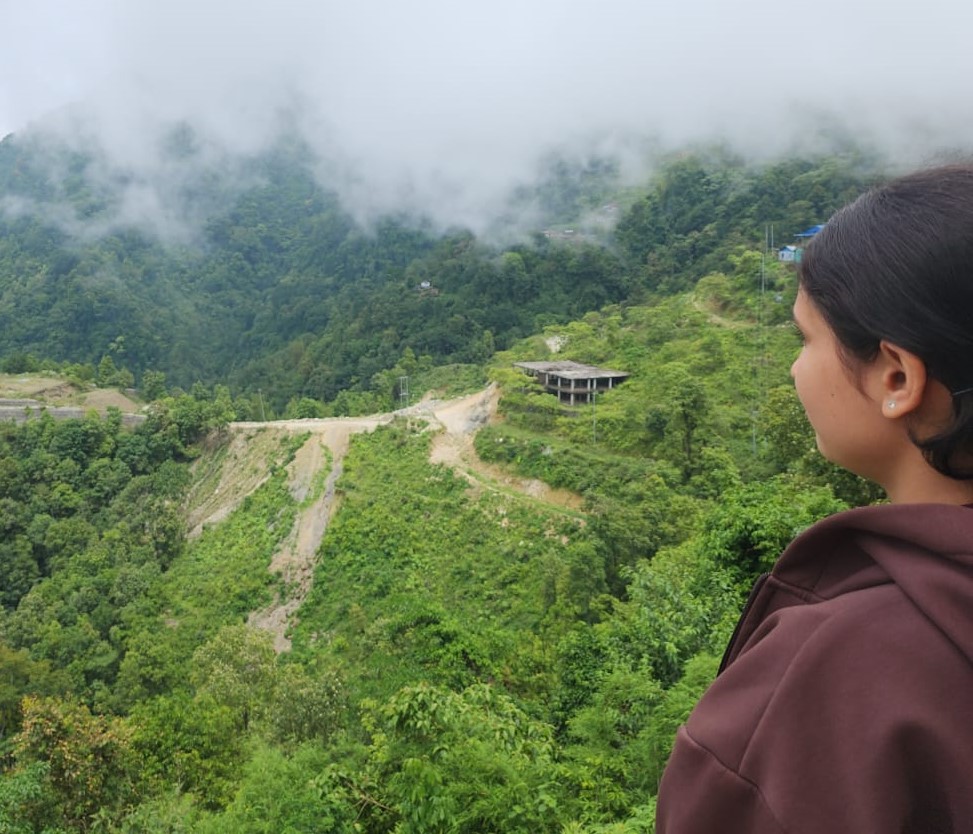
 

Answering the call of a spiritual journey

A spiritual calling is a profound, often unexplainable feeling that draws an individual to a specific place or journey.

It transcends mere curiosity or planning, carrying a sense of necessity for personal growth or satisfaction.

Such a calling should never be forced; it must arise naturally. When the moment feels right, the individual should embark on the tour, even if unprepared, trusting that the experience will guide them.

People often ask me how they will know when it’s the right time to go on a pilgrimage or the appropriate moment.

As a spiritual tourist, I undertake numerous sacred trips annually, visiting holy sites across various faiths because of the heightened divine presence found in these places.

Each passage feels like a powerful calling, driven by the need to satisfy my spiritual longing.

I am penning this column from Amritsar, India, home to the magnificent Golden Temple – a revered location renowned as the only place of worship in the world that remains open 24 hours a day, never resting.

This is my second visit to the holiest site in Sikhism this year, and once again, I find myself deeply moved by its indescribable celestial energy.

While a pilgrimage will involve some form of expenditure, it should be seen as a spiritual investment rather than an expense.

The intangible rewards from such journeys often multiply, bringing intense abundance to one’s life.

Here are some tips on what it is and how spiritual calling works.

  • Natural pull: A spiritual calling often manifests as an intuition or “inner knowing” that a specific place or journey is vital for your divine growth.
  • Emotional connection: It might stem from a deep feeling, dream, or recurring thoughts about a site, making the experience feel destined.
  • Purposeful desire: The calling can be rooted in a desire for healing, answers to life’s questions, forgiveness, or a deeper connection to the blissful or the universe.

For some, it builds over time, sparked by reading about a holy site, hearing stories, or observing a practice.

Others experience an intense and sudden urge, almost as if they’ve been “summoned.” This may come during meditation, prayer, or a significant life event.

Some interpret it as a message from a higher power, aligning them with a specific path or place for reasons they may not fully understand at that time.

Sometimes, a calling can feel fleeting, like a spark. If ignored, it might fade or return in different ways or later.

In other cases, the feeling lingers, intensifying until acted upon, as if the individual is persistently nudged toward action.

To receive a spiritual calling, one should prepare for it with discipline because it does not fall from the sky.

Spend time in quiet reflection to understand why this journey feels significant.

You must learn about the site’s history, rituals, and cultural importance to align your expectations with the purpose of your visit.

Clearly define what you seek – healing, peace, answers, or a deeper connection. Writing it down can help clarify.

If no one wishes to join you on the pilgrimage, it doesn’t matter. You don’t need to travel in a group because it is your journey with the divine.

Do not fear the challenges you may encounter on the journey; it is your true calling. The divine will pave a smooth path for you.

Engage in prayer, meditation, or journaling to attune your mind and spirit to the experience.

Prepare for the physical aspects, such as travel logistics, dress codes, local customs, and the dos and don’ts, to ensure you can focus on the spiritual aspects.

When it is time for you to go, embrace the journey, even if the reasons for the calling aren’t immediately clear.

Often, the true purpose becomes evident during or after the visit.

Keep an open mind, let go of rigid expectations and allow the experience to unfold naturally.

Participate in rituals, observe sacred practices, and immerse yourself in the godly environment.

A spiritual calling can feel mysterious and reflective, urging you to leave your routine and go on a transformative journey.

It’s personal and universal – a reminder of the connection between your soul and the greater whole.

Remember, when embarking on a pious journey, it is crucial to approach it with sincerity and respect rather than treating it lightly.

These expeditions possess transformative powers that can subtly yet profoundly impact an individual.

While the effects may not be immediately apparent, they often bring about meaningful changes in one’s well-being over time.


Award-winning writer Dr T. Selva is the author of the bestsellers Vasthu Sastra Guide and Secrets of Happy Living books. To get a copy, WhatsApp 019-2728464. He can be reached at drtselvas@gmail.com. Facebook: Vasthu Sastra