loading

Author: Dr T.Selva

Healing in the sands

I am in Da Nang, Vietnam—one of my favourite sanctuaries of peace and spiritual calm.
Along its tranquil shoreline, it is a familiar sight to see locals and visitors alike lying in shallow sand pits, buried up to their necks, as gentle waves caress the shore nearby at sunrise.

Others scoop handfuls of moist sand from the shore and rub it over their bodies.

To an unaware observer, it might seem like a playful beach activity. However, it is a centuries-old healing practice that manifests in various forms across coastal societies, and Vasthu Sastra offers extensive insights into it.

Vasthu Sastra, the ancient Indian science of harmonious living, is founded on the principle of the five elements: earth, water, fire, air, and space.

The human body also embodies these five elements through the senses of sight, hearing, touch, smell, and taste, and maintaining their harmony is essential for good health and peace.

The beach is one of the few natural environments where all five elements are powerfully present in their purest form.

When someone buries themselves in beach sand, they are immersing the body directly in the earth element.

Warm sand acts like nature’s heated blanket. It holds the sun’s warmth and transfers it to the body, opening pores and stimulating blood circulation.

Vasthu texts describe the earth element as having the ability to absorb excess body heat, neutralise toxins, and stabilise disturbed energy flows in the body.

It is a form of grounding, reconnecting with the stabilising magnetic energy of the earth.

The healing is not just energetic but also physical.

Sand contains a rich mix of minerals like magnesium, potassium, and calcium, which can be absorbed through the skin in trace amounts.

These minerals are known to ease muscle tension, soothe joint pain, and reduce inflammation.

People with arthritis or rheumatism often report relief after regular sand burial sessions, much like the mud therapies practised in naturopathy.

In Vasthu philosophy, the location of healing matters. When this therapy is performed near the shoreline, the water element enhances the benefits.

The salty moisture in the air, combined with the gentle massage of sand on the skin, creates a detoxifying effect of removing dead skin cells from the surface of the skin.

The salt in seawater also has antiseptic properties, helping to cleanse the skin and promote healing of minor wounds or irritations.

The fire element comes from the sun above. Sunlight is a natural source of Vitamin D, essential for bone health and immune function.

In moderate doses, its warmth stimulates metabolism and strengthens the body’s natural defences.

The key is moderation and enjoying the sun’s healing heat without allowing it to dehydrate or burn the skin.

The air element at the beach is charged with ions, especially near crashing waves. Scientific studies suggest these particles can enhance mood, reduce stress hormones, and improve breathing. Vasthu sees this as an energising life force energy that refreshes the mind and uplifts the spirit.

Finally, the space element is experienced in the open horizon, where the mind can rest in a sense of vastness.

This openness is deeply therapeutic, helping to dissolve mental tension and emotional clutter.

Beach sand rubbing, where sand is used as a scrub over the body, also aligns with Vasthu’s view of removing stagnant or blocked energy.

As the grains massage the skin, they physically exfoliate dead cells while symbolically clearing away layers of emotional and energetic heaviness. It is a simple act of self-renewal.

From a holistic standpoint, these beach practices work because they combine all five elements in a single experience, creating a powerful balancing effect on the body, mind, and energy field.

This is why such rituals can be found in many coastal cultures.

However, Vasthu also offers a note of caution. Not everyone should engage in prolonged sand burial or intense sun exposure.

Those with heart conditions, severe skin sensitivities, or heat-related illnesses should avoid it. Always hydrate well before and after, and choose the cooler hours of the morning or late afternoon rather than the harsh midday sun.

In a world where modern healing often comes in bottles and prescriptions, it is easy to forget that nature itself provides profound medicine.

The beach, with its sun-warmed sands, rolling waves, and open skies, offers a timeless therapy for those seeking to restore balance, release stress, and reconnect with the elemental forces that sustain life.

The next time you walk along a beach, remember: every grain of sand holds the earth’s ancient memory, and in its warmth lies a simple but powerful path to healing.


Award-winning writer Dr T. Selva is the author of the bestsellers Vasthu Sastra Guide and Secrets of Happy Living. To get a copy, WhatsApp 019-2728464. He can be reached at drtselvas@gmail.com. Facebook: Vasthu Sastra
 

Your doorway to energy, prosperity and destiny

The main door of a house holds powerful spiritual and energetic significance in the time-honoured tradition of Vasthu Sastra.

It is not just an entry point for people, but is considered the mouth of the home, the primary gateway through which subtle energy or life force enters.

Just as the mouth nourishes the body, the main entrance determines what kind of energy nourishes the space within.

The quality, strength, and direction of this incoming energy deeply influence every aspect of life for those who reside within, from health and harmony to wealth and spiritual well-being.

One of the foundational principles in Vasthu for determining the most auspicious position of the main entrance is the division of the front width of the house or plot into nine equal parts, known as Vasthu Padas.

The Padas (zones) are the basic unit of measurement for the floor plan of a building.

These nine divisions act like energy seats and each is ruled by a specific deity or cosmic force.

It is essentially a grid system that helps architects and designers assess spatial dynamics and energy flow.

This division system helps align the built environment with cosmic energies that flow through the cardinal directions.

What is vital is choosing an auspicious location based on the house orientation, which varies depending on the direction your house faces.

If your home faces east, divide the front wall from northeast to southeast into nine equal parts.

The best placements will be zones 4, 5, and 6, which are considered most auspicious. These zones align with the early morning sun’s energy, symbolising new beginnings, clarity, good health, and spiritual elevation.

Avoid zones 1, 2, 8, and 9, as they can invite obstacles, ill health, or financial setbacks.

In a north-facing house, divide the frontage from northeast to northwest into nine equal parts.

The ideal door zones are 4, 5, and 6, especially closer to the northeast.

These are linked to the deity of wealth and are known to attract prosperity, career growth, and opportunities.

The inauspicious placements will be padas 1, 2, 8, and 9, which may lead to mental unrest or miscommunication.

Though traditionally viewed with caution, south-facing homes can be harmonised with proper Vasthu guidance.

Divide the front width from southeast to southwest and the recommended door positions are zones 4, 5, and 6, ideally leaning slightly towards the southeast.

These zones radiate strength, courage, and material progress through disciplined effort.

To be avoided are zones 1, 2, 8, and 9, associated with tension, accidents, or legal troubles.

For homes facing the west, divide the front face from northwest to southwest into nine equal sections.

The auspicious zones, 4, 5, and 6, preferably towards the northwest, are considered beneficial.

They support networking, recognition, creativity, and spiritual progress.

The undesirable door zones are 1, 2, 8, and 9, often linked to delays, anxiety, or financial instability.

Across all orientations, the central three segments, 4, 5, and 6, are typically the most favourable.

These zones are linked to the Brahmasthan, the central energy core of the structure, representing the balance of the subtle energy.

Placing the main door in this central sector ensures a smooth inflow of harmonious vibrations, helping to balance both physical and subtle energies in the household.

However, Vasthu is not just about geometry or measurements.

In Vasthu, the main entrance is more than just an architectural feature; it is the karmic gateway through which not only people but also energies, situations, and opportunities that shape our lives pass.

When correctly placed, it invites abundance, serenity, and success. When misaligned, it may act like a leak, causing wealth to drain or conflicts to arise.

Even practical aspects matter, like the main door should always open inward to the right, never outward. This symbolises welcoming and retaining blessings.

The main door must be the largest in the house and made of wood, which is deeply connected to the element of earth and life itself.

It’s seen as a warm, organic, and stable material that promotes positive energy and a nurturing environment.

Avoid steel or security doors, which are cold, hard, and rigid materials that can create a tense and unwelcoming atmosphere.

Also, do not leave clutter, dustbins, or shoes directly in front of or behind the door, as these act as energy blockages.

Vasthu is based on energy alignment, and the idea is not just to build a beautiful home, but to create a space that welcomes positive vibrations and repels negative forces.

Even the height, width, and design of the door are specified: the main door should be larger than the other doors, open inward, and be free from obstructions.

It should not be creaky or broken, as it is the mouth of the house, the gateway to fortune, health, and peace.

By respecting the placement of the main door, you are not merely following a rule; you are aligning your life with cosmic intelligence.

You are saying “yes” to the divine flow that sustains peace, purpose, and prosperity.

So next time you walk through your front door, pause. Know that it is not just an opening in a wall, it is where your destiny begins to unfold.


Award-winning writer Dr T. Selva is the author of the bestsellers Vasthu Sastra Guide and Secrets of Happy Living. To get a copy, WhatsApp 019-2728464. He can be reached at drtselvas@gmail.com. Facebook: Vasthu Sastra

Is your home under unseen attack?

In recent weeks, I have received questions from a distressed individual in Kuala Lumpur who believes that his home is haunted by a spirit that not only harasses his family but also appears to be stealing money.

While this may sound like a plot from a horror film, many across cultures and faiths have reported eerie disturbances, unexplained theft, or unseen forces affecting peace, health and prosperity in a home.

Whether one approaches such situations through a spiritual, psychological, or traditional lens, the truth remains: when a home feels uneasy or threatening, something must be done.

In Vasthu Sastra, the home is not just a shelter but a sacred space.

When that sanctity is compromised, steps must be taken to cleanse and protect it.

When strange happenings occur, such as items disappearing repeatedly (especially money), sudden aggressive behaviour among family members, a sense of being watched, or recurring nightmares, these could be signs of a negative presence.

Among the causes of this could be that some homes retain residual negativity from past traumas like death or prolonged suffering, which can attract dark forces.
Another could be a troubled land history, such as burial grounds or the site close to a forest, or it was used for illegal activities may create an unstable spiritual foundation.
Inherited antique items, spirit attachments, or unseen energy portals can also further disturb a home’s energetic harmony.

However, one must always examine all logical explanations first.

Could someone in the home be taking the money? Is stress or mental health a factor? Are electrical or structural faults causing disturbances?

Once natural causes are ruled out, psychic remedies can be considered seriously and respectfully.

The first and most important action is to cleanse the energy of the home, removing stagnant or dark vibrations.

Begin by thoroughly cleaning the entire space, especially forgotten corners, cupboards, and under furniture.

Then use traditional space-cleansing methods such as smudging with sage, frankincense, or camphor.

Light the incense or herbs, and walk clockwise through the house, allowing the smoke to reach every corner while chanting mantras or prayers relevant to your faith.

In Hindu tradition, chanting the Maha Mrityunjaya Mantra can be highly effective.

Next, placing sea salt in the corners of rooms and near thresholds can absorb negativity. Leave it for 48 hours, then sweep or vacuum it and dispose of it outside the home.

Ringing a bell, playing a conch or striking a Tibetan singing bowl in each room helps break up heavy, malevolent energy.

Once the negative energies are neutralised, a house blessing is essential to invite divine protection and raise the vibration of the home.

Regardless of faith, light a ghee or oil lamp daily at dawn and dusk in the altar of the house, the zone of divine energy. Offer flowers, incense, and prayers to your chosen deity or the universal force.

Once the house has been cleansed and blessed, protective symbols and rituals can be established to guard against future intrusions. Among them are:

  • Hang seven green chillies and one lemon tied together at the main entrance. This traditional Indian practice is believed to ward off the evil eye and malevolent forces.
  • Iron objects, such as a horseshoe or swastika, placed above the front door, are believed to repel ghosts and harmful spirits.
  • Conduct the Vasthu Yantra ritual by burying protective yantras in the eight cardinal directions around the house to create an energetic shield against negative forces.
  • Place spiritual symbols, such as a cross. Aum, Sudarshana Yantra, or images of fierce protective deities like Kali, at the main door of the house.
  • Avoid keeping broken idols, cracked mirrors, or inherited antiques of unknown origin, as these may carry lingering energies from past owners.

After implementing these steps, observe the atmosphere over the next few weeks.

If peace returns, continue daily prayers or meditations to maintain the vibrational frequency of the home.

However, if disturbances persist, it may be necessary to call in a paranormal expert or healer experienced in clearing.

Not all unexplained events are ghostly, but when spiritual or energetic interference is suspected, it is vital to act with calm faith, reverence, and knowledge.

A house is more than bricks and walls, as it is a living space of energy.

Just as we protect our bodies with proper care and clothing, so too must we guard our homes with spiritual consciousness.

Ghosts, if they exist, often latch on to unresolved energy or trauma.

By bringing light, sound, prayer, and intention into the home, you are not just driving out darkness; you are transforming your space into a sanctuary.


Award-winning writer Dr T. Selva is the author of the bestsellers Vasthu Sastra Guide and Secrets of Happy Living. To get a copy, WhatsApp 019-2728464. He can be reached at drtselvas@gmail.com. Facebook: Vasthu Sastra
 

Your birthday is beyond cake and candles

Cakes, candles, balloons, and parties commonly mark birthdays. While these joyful moments bring loved ones together, they often overshadow the hidden spiritual significance of this special day.

A birthday is far more than a ritual or social event; it is a sacred personal milestone that deserves reflection, reverence, and gratitude.

From ancient times, the day of one’s birth has been considered holy in nearly all cultures.

It marks the moment a soul enters this earthly realm with a unique karmic blueprint and divine timing.

Birthdays are energetic portals, powerful points in the calendar when cosmic energies align to support the soul’s journey.

In Vedic astrology and Vasthu Sastra, the weekday on which one is born carries specific vibrations.

Each day is ruled by a planet that imparts qualities to the individual.

Those born on Sunday, ruled by the sun, often possess charisma, a strong will, and a natural leadership quality.

Monday is ruled by the Moon, and those born on this day tend to be compassionate, imaginative, nurturing, and emotionally sensitive.

Tuesday, governed by Mars, tends to produce individuals who are naturally action-oriented, courageous, assertive, and competitive.

Wednesday falls under the influence of Mercury, making those born on this day typically articulate, intelligent, sociable, and skilled in communication and business.

Thursday is associated with Jupiter, the planet of wisdom, spirituality, and expansion. Individuals born on this day are often philosophical, generous, and optimistic, and are respected for their insightful nature.

Friday, ruled by Venus, brings charm, artistic flair, and a loving nature. Those born on this day tend to appreciate beauty, harmony, fashion, and the arts.

Saturn, the planet of discipline and karma, governs Saturday. People born on this day are usually serious, hardworking, patient, and introspective, often growing stronger through life’s challenges.

Understanding your birth day’s planetary influence can offer deep insights into your nature and life path.

Avoiding conflict, negative speech, or indulgence on this day is recommended, as the birthday mirrors and magnifies our intentions and emotions.

Your birthday is your personal New Year’s, a moment to pause and reflect on your journey. Many spiritual masters I have met advise spending at least part of your birthday in prayer or silence.

Lighting a lamp, meditating, or offering gratitude to the divine, your ancestors, and your parents can set a powerful tone for the year ahead.

Even the simple act of blowing out candles carries a meaning.

While it is a cherished tradition, some mystical teachings discourage it, suggesting instead the lighting of a lamp to keep the inner flame burning bright.

The flame symbolises consciousness, and the goal is to make that light grow with each passing year.

Ultimately, a birthday is a divine reminder: you came into this world with a purpose.

Another aspect often overlooked is the sharing of one’s age. Choosing not to reveal it freely is not about vanity, but spiritual discernment.

Each stage of life carries a unique vibration. When we casually share our age, we expose ourselves to subtle judgments or energetic interference from others who may not value the sacredness of life’s phases.

Even compliments related to age, like “You don’t look your age!”, can carry subtle layers of comparison that affect our aura.

The spiritual path teaches us to protect our life force from disturbances. In this context, discretion becomes a form of self-respect and energetic safeguarding.

Beyond how others perceive us, age can shape our self-perception. Fixating on numbers may lead us to unconsciously adopt societal expectations: what one should or shouldn’t be doing at 30, 50, 60, or 70.

These beliefs limit the boundless nature of the soul. The spirit does not wrinkle or retire; it only expands, deepens, and evolves.

In the early days, sages and royalty often guarded their details, including their birth dates and astrological charts, not out of superstition, but from a deep respect for the divine. What is private can also be powerful.

Another important fact is to avoid celebrating your birthday before the actual day, as it may disrupt the natural rhythm of divine timing.
Rituals like cake-cutting or prayers hold energetic significance and are most potent on the actual day of birth.
Premature celebration can dilute blessings and reflect an unconscious assumption that we’re promised time that hasn’t yet been lived.

Your age is more than just a number. It is a vibrational imprint of your soul’s passage.

This Wednesday, July 30, marks my birthday. While I won’t be revealing my age (some things are best kept sacred), I have chosen to honour the day quietly and reflectively.

As I will be travelling, I plan to spend time in prayer and gratitude at the historic St. Augustine’s Catholic Church in Melbourne, built in 1853.

I can think of no better place than a house of worship to give thanks for the gift of life.


Award-winning writer Dr T. Selva is the author of the bestsellers Vasthu Sastra Guide and Secrets of Happy Living. To get a copy, WhatsApp 019-2728464. He can be reached at drtselvas@gmail.com. Facebook: Vasthu Sastra
The hidden secrets of the day you were born

Have you ever paused to consider why some elders advise against cutting your hair or nails on the day you were born? Or why certain traditions encourage the symbolic act of releasing a bird, setting a fish free, or planting a tree to mark your birthday?

These seemingly simple rituals rooted in Indian, Buddhist, and other Eastern spiritual traditions carry deep metaphysical meaning.

Far from being outdated superstitions, they reflect an ancient wisdom that recognises the energetic and karmic significance of one’s birth day.

These practices are not merely symbolic; they are intended to harmonise your energy field, invoke blessings, and offer acts of merit in honour of the life you’ve been given.

They are rooted in subtle metaphysical sciences, such as Vastu Shastra, Vedic astrology, and ancient nature-based wisdom.

All point to a central truth: your birthday is not just another day. It is a sacred energetic portal, your personal New Year.

On this day, the Sun returns to the exact position it occupied at your birth. This cosmic alignment intensifies your personal vibration, making any thought, word, or action intensely amplified, for better or worse.

Ancient cultures understood this, which is why they prescribed specific dos and don’ts for this auspicious time.

I was born on a Thursday, a day governed by Jupiter, the planet of wisdom, spirituality, and higher thought.

For decades, I have honoured this cosmic connection by refraining from cutting my hair and nails on any Thursday.

In subtle sciences, hair and nails are not considered dead tissue, as modern science asserts, but rather extensions of the body’s energy field, known as vital life force.

Trimming them on the day you were born, on any week, when your energy field is believed to be most potent, is said to disturb the natural flow of life force.

This may weaken your physical strength, reduce your magnetism, or even destabilise your emotional and financial well-being.

Each day of the week is ruled by a planet – Monday by the Moon, Tuesday by Mars, Wednesday by Mercury, and so on.

The day you were born carries that planet’s energetic imprint, forming part of your karmic signature.

Making bodily alterations on that same weekday is believed to disrupt your unique cosmic rhythm, subtly throwing you off balance.

Therefore, spiritual texts advise against cutting hair, shaving, or trimming nails on your birthday.

Your birthday is considered a private festival of the soul and refraining from certain grooming habits is one way to honour its sanctity.

In contrast to abstaining from certain acts, several traditions encourage compassionate, life-affirming gestures.

Among the most spiritually significant is the practice of releasing a bird or fish into its natural habitat on your birthday.

This act symbolises freedom from bondage. When you release a living being, you mirror the divine act of liberation.

You also send your heartfelt prayers into the universe, carried on the wings or fins of the freed soul.

It is believed that such a gesture can untie karmic knots and bring blessings in the form of health, longevity, inner peace, and protection from unseen harm.

Energetically, this deed lightens your aura, aligns you with the principle of non-violence, and raises your spiritual vibration.

However, it must be approached mindfully. Always ensure the birds or fish are sourced ethically and released into environments where they can survive and thrive.

Compassion, not convenience, must be the motive.

Another timeless practice is planting a tree on your birthday.

More than a symbolic act, it is a living offering to Mother Earth, an embodiment of gratitude and intention.

In Vedic and farming traditions, trees are revered as givers of life.

They offer shade, fruit, oxygen, and shelter without expectation. Planting one on your birthday is considered planting your karma into the soil of existence.

As the tree grows, it becomes a living manifestation of your blessings, anchoring you in the earth element and grounding your aspirations in fertile energy.

Your tree becomes a legacy, one that may long outlive you, silently serving future generations.

It’s easy to dismiss such traditions as relics of a bygone era in today’s modern era. But when we stop and look deeper, we find timeless wisdom encoded in them, guiding us to honour our bodies, align with celestial rhythms, and serve the greater good.

Your birthday is more than a cake and candles. It is a sacred cosmic checkpoint, an invitation to reset, renew, and realign.

So, the next time it arrives, consider planting a tree, releasing a soul, or simply sitting in silence with gratitude. The universe is listening more closely than you think.


Award-winning writer Dr T. Selva is the author of the bestsellers Vasthu Sastra Guide and Secrets of Happy Living. To get a copy, WhatsApp 019-2728464. He can be reached at drtselvas@gmail.com. Facebook: Vasthu Sastra
 

Respecting ancient wisdom in a modern world


Over the years, I have shared numerous insights through this column on Vasthu Sastra, astrology, energy principles, and other ancient sciences.

Many readers have responded with gratitude and curiosity, but I have also encountered a fair share of criticism and even ridicule.

Some dismiss these subjects as delusions or attribute their effectiveness to a placebo.

I take no offence. I understand that these reactions often stem from a place of unfamiliarity, rather than malice.

However, I believe it’s time to gently raise a cautionary flag, especially for those who aggressively reject what they do not understand.

When one speaks lightly or disrespectfully about systems rooted in sacred traditions and spiritual wisdom, they are not merely disagreeing; they may be disturbing an energetic balance that can, unintentionally, affect them in return.

Ancient knowledge, whether found in Hinduism, Buddhism, Christianity, Islam, or indigenous belief systems, is not just a product of blind belief.

It is the culmination of centuries of observation, experience, and spiritual discipline.

It has guided people toward health, harmony, and a deeper understanding of themselves and the universe.

Whether one believes in the planetary influences described in Vedic astrology or the energy alignment principles of Vasthu Sastra, there’s no denying that these systems have helped millions navigate life with clarity and purpose.

Dismissing them as outdated or irrational without making any effort to study them is, frankly, unfair.

For instance, I have joined devotees’ journey to the Sanctuary of Our Lady of Lourdes in France, seeking healing, both physical and spiritual, through prayer, faith in the Virgin Mary’s intercession, and the believed miraculous qualities of the spring water.

Such expressions of devotion deserve our respect, regardless of the tradition from which they stem.

The world of energy, though invisible to the eye, is real, powerful, and constantly at play.

Our words, thoughts, and intentions carry vibrations.

When someone heaps mockery or curses upon a holy practice or trust system, especially one that has benefitted others, that negative energy does not dissipate into the air.

It lingers and often returns to the source. This is not a fallacy; it is the principle of energetic cause and effect.

Every action, including verbal and mental ones, creates a ripple in the universal field.

I have observed how some individuals who tease spiritual traditions later face unexpected disturbances, emotional, physical, or situational.

While I do not wish ill upon anyone, I do feel I have to point out that the laws of energy, like the laws of nature, operate whether or not we believe in them.

This does not mean we should accept every belief blindly.

Healthy scepticism has its place, and questioning is a sign of intelligence. However, there is a significant distinction between questioning and condemning.

Disagreeing is your right. Disrespecting is a choice and often a costly one.

I have always advocated that spirituality must never be forced upon anyone.

Each soul is on its own journey. Some may be drawn to temples and mantras, while others may find truth in silence and science. But all genuine paths, so long as they do not harm, deserve respect.

Our fast-paced world often worships logic and dismisses intuition. Yet, time and again, science finds itself circling back to truths that sages have spoken of for centuries.

Concepts such as energy fields, vibrational medicine, sound therapy, and mind-body healing have been studied in laboratories; however, they were part of holistic spiritual traditions long before the invention of the microscope or magnetic resonance imaging (MRI).

So, to those who find comfort and guidance in ancient teachings, I say: walk your path with confidence and humility.

You do not need to convince everyone. Truth, like light, speaks for itself. And to those who question or criticise: may I suggest a If something is not for you, move on. But do not laugh at what has meaning for others.

You may not realise the depth of what you are rejecting, or the energy you are stirring.

Let us create a culture of coexistence, where science and spirituality, tradition and innovation, can stand side by side and not as enemies, but as companions in our collective human quest for well-being and wisdom.

Ultimately, every person has the right to follow the practice or path that resonates with them. What we don’t have is the right to belittle what brings healing, insight, and peace to others. The world has enough division. Let us not add spiritual intolerance to the list.

As the ancient texts often remind us: Speak with care. Think with compassion and act with awareness.

What we send into the world is what we invite back into our lives.


Award-winning writer Dr T. Selva is the author of the bestsellers Vasthu Sastra Guide and Secrets of Happy Living. To get a copy, WhatsApp 019-2728464. He can be reached at drtselvas@gmail.com. Facebook: Vasthu Sastra
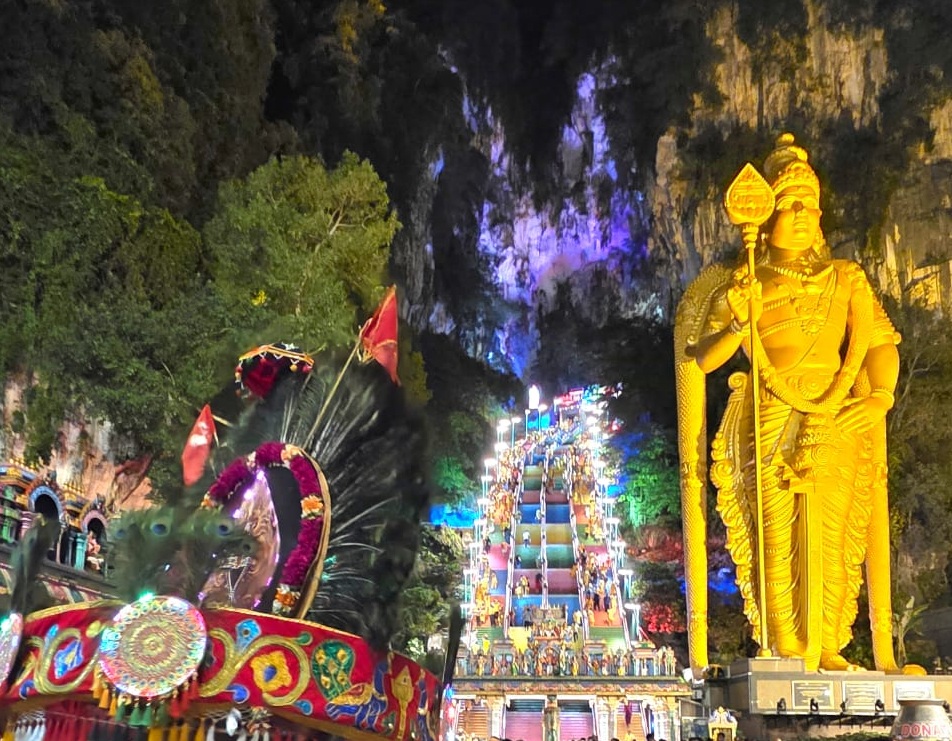
Why must we stop fearing the Aadi month?

 Many Indian households remain silent from July 16 to August 15 every year regarding any auspicious events.

Weddings are postponed, housewarmings are avoided, and, if possible, childbirths are scheduled outside this time frame.

This is due to a long-standing fear surrounding the Aadi month, which is considered an inauspicious period.

As someone born on July 30, right at the peak of Aadi, I often wonder: What is so worrying about this time of year?

Aadi, the fourth month in the Indian almanac is empty of meaning.

It is deeply spiritual and vibrant with devotional observances.

It marks the beginning of the sun’s northward journey to the south, which the ancients saw as a period suited for spiritual reflection and inward focus.

It is the time when the divine feminine is especially venerated, through festivals such as the birthday of Goddess Andal (Aadi Pooram), a river blessing festival (Aadi Perukku), and for ancestral prayers (Aadi Amavasai).

Yet, a widespread belief persists that Aadi is a bad period, especially for significant life events.

This misconception runs so deep that I once witnessed a tragic consequence of it.

A close friend’s wife, heavily pregnant and just weeks away from full term, begged her doctor to induce early delivery to avoid having the child born in the Aadi month.

The doctor obliged. Tragically, the child was stillborn several hours later.

The couple was devastated. It was a painful reminder of how fear, not fate, can change lives forever.

Malaysian Gurukkal Sangam vice president Someshvarn Sivachariar said there is no scriptural basis for such dread.

“Ancient texts do not forbid ceremonies during Aadi. The practical roots of this caution likely lie in seasonal conditions.

“Aadi often coincided with the monsoon, making travel and large gatherings difficult and potentially hazardous.

“Over time, this practical restraint hardened into misconception,” said Someshvarn.

He highlighted the favourable dates in the coming Aadi month as July 16, 21, 23, 28, 30, 31, and August 1, 4, 6, 7, 11, 13, 14, and 15.

He agreed that temples and priests are often preoccupied during Aadi with intense daily rituals, special prayers, and community observances focused on worship, which draw many devotees and require elaborate spiritual preparations.

Because of this, he said, priests may be less available or hesitant to conduct worldly ceremonies like weddings, as their energy and attention are directed toward spiritual upliftment and devotional service during this sacred month.

From an astrological point of view, 7th-generation astrologer Yuvaraj Sowma said not all days in Aadi are inauspicious.

He said that just like any month, it contains days of favourable and unfavourable planetary influences.

Yuvaraj said generalising the entire month as “bad” is inaccurate and dangerous when it affects decisions about life and death.

He explained that during this phase, the spiritual vibrations on Earth are more potent, making it a highly conducive time to connect with the divine.

“While weddings and primary worldly functions are generally avoided, this is not due to negative connotations.

“Instead, it reflects the traditional understanding that this month is better suited for spiritual pursuits rather than material beginnings”.

So why do we continue to fear it?

Perhaps because we have not stopped to question it, we have inherited beliefs without investigating their origins.

The true essence of Aadi is not misfortune; it is devotion, introspection, and connection with the divine. It is a sacred pause, not a sinister period.

Like myself, those born in Aadi are proof that this month is not cursed.

Many remarkable individuals have been born during the Aadi month and have gone on to lead purposeful lives.

Some of them are former U.S. President Barack Obama (August 4), South African freedom icon Nelson Mandela (July 18), former New Zealand Prime Minister Jacinda Ardern (July 26), and actress Jennifer Lopez (July 24).

Their lives prove that Aadi is not a period of limitation, but one of latent potential and divine grace.

It is often said that spiritually evolved souls and impactful leaders are born during powerful cosmic alignments. Aadi is far from a time of misfortune and is one such holy window.

Instead of avoiding the month, we can honour its true purpose by deepening our spiritual practice, offering prayers to our ancestors, and aligning with the rhythm of the cosmos.

Let us reject fear-based choices and reclaim the truth about Aadi by approaching it with reverence rather than reluctance.


Award-winning writer Dr T. Selva is the author of the bestsellers Vasthu Sastra Guide and Secrets of Happy Living. To get a copy, WhatsApp 019-2728464. He can be reached at drtselvas@gmail.com. Facebook: Vasthu Sastra
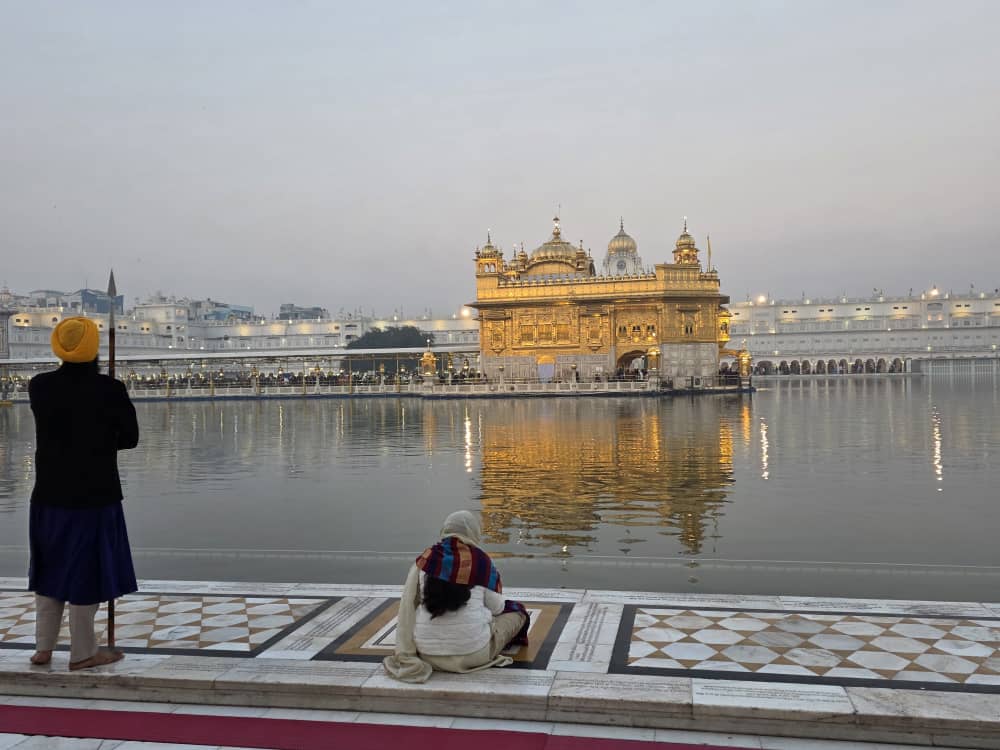
Where silence speaks to the soul

Some journeys begin not with a plan, but with a quiet yearning, a deep longing that only silence gives it shape.
For years, I had felt a pull toward Boudhanath Stupa, one of the world’s largest and most revered Buddhist stupas in Kathmandu, Nepal.

Recently, as if guided by grace, that unspoken desire found its way into reality.

This massive white dome, built in the 14th century, has silently watched pilgrims circumambulate with prayer beads in hand and hope in their hearts for centuries.

When I finally stood before the stupa, which is 36 meters tall and shaped like a mandala, symbolising the universe, the city’s clamour faded into the background.

The white dome represents the earth, the 13-tiered golden spire symbolises the 13 stages to enlightenment, and Buddha’s all-seeing eyes face in four directions, symbolising awareness and compassion.

Time itself slowed, as if honouring the sacredness of the moment. I had arrived with questions, yet I found a silent answer that spoke to the soul.
As if guided by a higher hand, Bhupendra Gautam, a soft-spoken, knowledgeable tour guide, approached me and offered to lead me on a spiritual walk around the stupa. It felt like divine timing.

I bowed reverently and began walking around the stupa clockwise, a spiritual act in Tibetan Buddhism towards awakening and spinning the prayer wheels.

With each step and turn of the wheel, I let the gentle rhythm draw me inward, into a space of quiet reflection.

For hundreds of devotees, walking around the stupa is not just a ritual but a communion with the divine, a silent prayer in motion, where the stupa becomes a living presence of Buddha’s mind.

According to Gautam, each step taken mindfully during the circumambulation of the Boudhanath Stupa is believed to purify negative karma.

The fragrance of incense curled through the air, mingling with the chants of monks and the fluttering of countless prayer flags, each colour carrying aspirations skyward.

The sight was sincerely humbling: elderly Tibetans bent with age offering full-body prostrations, tourists trying to soak in the ambience with quiet reverence, and local devotees making their daily rounds with casual grace.

I paused frequently, not out of exhaustion but out of worship. At one such moment, as the setting sun bathed the dome in a golden hue, I felt something shift within me.

Halfway through the kora (the sacred circumambulation) alongside fellow pilgrims, Gautam gently guided me to light a butter lamp.

“Let the energy of centuries of devotion surround you and remove your past,” he said, as the flame flickered to life.

It wasn’t dramatic or sudden, but subtle, I felt a peeling away of layers I didn’t know I carried.

In that space of stillness, I sensed some level of liberation, a letting go of burdens, expectations, and regrets.

Atop the stupa, the Buddha’s all-seeing eyes gazed out in every direction, calm, compassionate, and awake.

I felt seen, not judged, held, not hurried. In that holy stillness, I glimpsed a truth I had only read about: that enlightenment isn’t a distant summit to be reached, but a moment of pure presence, right here, right now.

I also stepped into the quiet embrace of the Guru Lhakhang Monastery, where the stillness seemed to hum with ancient spiritual energy. The air felt charged, like eras of devotion had left a divine imprint.

What moved me even more was learning that this solid and timeless stupa had once bowed under the weight of destruction.

The devastating 2015 earthquake in Nepal severely damaged its spire, cracking the crown that so many eyes had turned to in prayer.

But Buddhist monks, local artisans, and donors worldwide restored it with an extraordinary gesture of faith and community spirit.

Today, as it stands tall and radiant once more, the Boudhanath Stupa is not only a monument to devotion but a living symbol of resilience, reminding us that even when the ground shakes beneath us, the soul can rebuild itself, stronger and more luminous than before.

As I left the stupa grounds, I was no longer searching. I was content and in that gentle state of presence, I recognised the liberation I had unknowingly sought, a quiet homecoming to my inner stillness.

The Buddha Stupa offers more than architectural grandeur for those yearning for peace amid life’s relentless noise.

It is a sanctuary for the soul. Go not to find answers, but to listen. Because in that vast, echoing silence, the heart finally finds its voice.


Award-winning writer Dr T. Selva is the author of the bestsellers Vasthu Sastra Guide and Secrets of Happy Living. To get a copy, WhatsApp 019-2728464. He can be reached at drtselvas@gmail.com. Facebook: Vasthu Sastra
Walking with the Gods

As the saying goes, when we seek the past and our soul longs for the ancient, the hidden, and the sacred, the spirit awakens and listens.

It begins to guide us in subtle and mysterious ways.

What some may dismiss as coincidence is often the unseen hand of the spirit leading us to places where truth still echoes, time stands still, and ancient wisdom patiently waits to be remembered.

So when I recently stood before the doors of the Hellenic Museum in Melbourne, I felt drawn by something deeper than mere curiosity.
The visit wasn’t planned. While on my way to the Mind Body Spirit Festival, I had taken a wrong turn into William Street and found myself at the exhibition Rituals: Gifts for the Gods, which promised a journey into the divine world of ancient Greece.

Yet, for me, it felt more like a silent summons, an invitation from the past to witness not just relics and ruins, but the living soul of a civilisation that revered the holy in every facet of life.

As I stepped inside and wandered through its quiet galleries, a series of more reflective questions began to stir within me: Why do people offer gifts to the gods? What gives a place its sacredness? And why do the same gestures, prayers, and offerings echo across time, repeated by countless generations seeking something greater than themselves?

In ancient Greece, the answers lived not in words but in ritual. Through offerings of wine, honey, incense, and finely crafted prayer candles, the people expressed gratitude, asked for blessings, and sought to maintain harmony between the mortal and divine.

The exhibition doesn’t merely display these acts; it brings them to life, reminding us that long before temples were built of stone, sanctity was shaped by intention, reverence, and the unseen bond between the human heart and the gods.

One object in particular held me in silent awe, a bronze statue of Zeus, the mighty king of the Olympian gods.

Though modest in size, its presence was anything but small. The figure stood poised, commanding yet serene.

The thunderbolt once clenched in his uplifted hand, now long vanished, powerfully implied. In its finely worked features, I could feel craftsmanship and worship.

To the ancient Greeks, Zeus was more than a mythological figure. He was the divine enforcer of justice, the protector of oaths, and the unseen force that governed both storm clouds and fate.

This miniature figurine, once likely placed in a temple niche or offered at a sanctuary like Olympia, was not merely art but a conduit for prayer, a bridge between the worshipper and the heavens.

Standing before it, I sensed the energy it once carried. I imagined the devotee who had offered it perhaps a warrior before battle, a farmer praying for rain, or a family fulfilling a vow.

Mortals reached toward the divine through such offerings, not out of fear, but out of a deep longing to be seen, heard, and held by the cosmic order.

Further along the exhibition, I encountered an ancient and eerily contemporary space, an interactive installation inspired by the Oracle of Delphi.

In antiquity, seekers from across the Greek world travelled to the consecrated sanctuary of Apollo to pose their most pressing questions to the Pythia, the high priestess through whom the god was believed to speak.

From matters of war and peace to deeply personal dilemmas, all sought the same thing: guidance from the divine.

In this modern reinterpretation, powered by AI, visitors are invited to type their questions into a console, just as ancient pilgrims would have whispered their queries into the sacred chamber.

As I placed my hands on the platform and silently formed a question from my heart, I couldn’t help but feel a ripple of reverence.

The answer that appeared on the screen was enigmatic, much like the cryptic utterances of the original oracle, but it struck a chord within me.

What captivated me most was not the answer itself, but the intention behind the act, the surrender, the openness, the silent hope that something higher was listening.

Thousands of years may separate us from those early seekers, yet the desire to be guided through life’s uncertainties remains unchanged.

To stand in a space inspired by Delphi is to be reminded that wisdom is not always shouted; it is often whispered and requires stillness to hear.

As I slowly made my way out of the exhibition, I felt I had not merely observed the past, I had entered it, walked alongside its pilgrims, and stood in silent awe before its gods.

Each of the 119 artefacts, including several selected objects never before seen outside of Greece, from the bronze figure of Zeus to the recreated Oracle of Delphi, was more than a museum piece.

It was a vessel of memory and meaning, echoing the timeless human desire to honour the revered, to seek answers, and to feel held by something greater than ourselves.

What moved me most was the realisation that these ancient rituals, these gifts to the gods, were not about superstition but relationship.

They were acts of reverence, deep listening, and alignment with the unseen forces of life. Whether through offerings of olive oil and incense or whispered questions in a temple hall, the ancients lived with an awareness that the divine was not distant but near.

As I stepped back into the modern world, I carried with me the memory of what I had seen and a gentle reminder: the heavenly is never far.

It reveals itself when we pause, ask, and offer even the simplest gesture with sincerity.

In a world that often rushes past the invisible, Rituals: Gifts for the Gods reminded me that mystery is not meant to be solved, but honoured.


Award-winning writer Dr T. Selva is the author of the bestsellers Vasthu Sastra Guide and Secrets of Happy Living. To get a copy, WhatsApp 019-2728464. He can be reached at drtselvas@gmail.com. Facebook: Vasthu Sastra

Vasthu Talk on 29th June 2025

Join an exclusive awakening session into the 5,000-year-old science of Vasthu Sastra, the ancient Indian art of harmonizing the five natural elements for peace, prosperity, and positive energy in your life and space.

This session is led by Master Yuvaraj Sowma, a 7th Generation Hereditary Vasthu Consultant with over 30 years of experience and trusted by more than 50,000 properties worldwide. He is a renowned international speaker and editor of Star Teller, the English monthly astrological magazine. For more info about Master Yuvaraj, visit https://www.vasthusastra.com/vasthu-media/

Date: 29 June 2025
Time: 4:00 PM – 5:30 PM
Registration Fee: RM30.00
Venue: SugamKarnatica
11-1, Jalan PJS 1/50, Petaling Utama Avenue, Petaling Jaya

Contact: +60 19-492 4470

Click the link https://bit.ly/Powervastu or scan the QR Code to register!
Registration Closing Date: 28th June 2025