
loading

Tag: vastu

Building a bungalow that nurtures life

Building a bungalow that nurtures life
By Dr. T. Selva
Many people spend months choosing the perfect location, engaging architects, comparing
designs and selecting expensive finishes before building their dream bungalow.
Yet, surprisingly few consider one of the most important aspects of all, the invisible energy
that will surround the family for decades to come.
According to the ancient science of Vasthu Sastra, a house is much more than walls, a roof
and beautiful interiors.
It is a living energy field that constantly interacts with its occupants.
Every direction, room, doorway and open space influences the health, happiness,
relationships and prosperity of those who live within it.
A bungalow offers a wonderful opportunity to create such harmony because it sits directly on
the earth, allowing the land\’s natural energies to flow more freely throughout the home.
The journey begins even before the first brick is laid. The land itself plays a vital role.
A regular square or rectangular plot is considered ideal because it symbolises stability and
balance.
North-and east-facing plots are generally preferred, as they receive life-giving morning
sunlight and align well with the Earth’s magnetic forces.
South and west-facing plots can also be considered based on the owner’s moon sign.
One of the most important features of any home is the main entrance.
In Vasthu Sastra, the main door is regarded as the mouth of the house through which energy
enters.
Its exact location should never be decided purely for convenience or appearance.
A correctly positioned entrance welcomes positive vibrations, while an improperly placed
one may create unnecessary obstacles and stress for the occupants.
Many homeowners also overlook another simple but important recommendation.
Vasthu advises that both doors and windows should each be in even numbers.
Doors are counted separately from windows. This symmetry is believed to promote a
smoother and more balanced flow of energy throughout the home.
The placement of rooms is equally important because every direction represents one of
nature’s five elements.
The south-west, governed by the earth element, is the ideal location for the master bedroom.
This area provides strength, security and stability for the head of the family.
The kitchen belongs in the south-east, the direction associated with the fire element, or the
northwest, which is associated with air.
Whenever possible, the person preparing meals should face east or north while cooking,
allowing the first rays of the morning sun to symbolically energise the food that nourishes the
family.
The prayer room or meditation space is best located in the north-east, regarded as the most
spiritually powerful part of the home.
This sacred corner naturally supports peace, reflection and spiritual growth.

Bathrooms are more suitable in the north-west or south-east. They should be avoided in the
north-east, south-west quadrants and particularly at the centre of the house, where they may
disturb the natural energy balance.
One of the most neglected areas in modern homes is the centre of the building, known in
Vasthu as the Brahmasthan.
This is considered the energetic heart of the house. Ideally, it should remain open, bright and
uncluttered.
Heavy furniture, storage rooms, thick structural walls or large pillars in this area may obstruct
the free circulation of subtle energy.
Water placement also carries great significance. Overhead water tanks should be positioned in
the south-west.
This arrangement creates both structural and energetic balance throughout the property.
If the bungalow includes a staircase, it should preferably rise clockwise and be located in the
southern or western portion of the house.
Anti-clockwise staircases are discouraged because they are believed to interfere with the
natural movement of positive energy.
The outdoor environment should not be ignored.
A thoughtfully designed garden contributes greatly to the wellbeing of the home.
Fragrant flowering plants and herbs can be placed in the north and east, while larger trees are
more suitable in the south and west where they provide shade without blocking the beneficial
morning sunlight.
Thorny plants should be avoided as they are believed to create psychological discomfort and
energetic disturbances.
Natural light and fresh air remain two of the simplest yet most effective remedies in Vasthu.
Windows facing the east and north allow the gentle morning sun to enter the home, bringing
warmth, vitality and a sense of freshness.
Good cross-ventilation prevents stagnant air and creates an environment that feels vibrant and
welcoming.
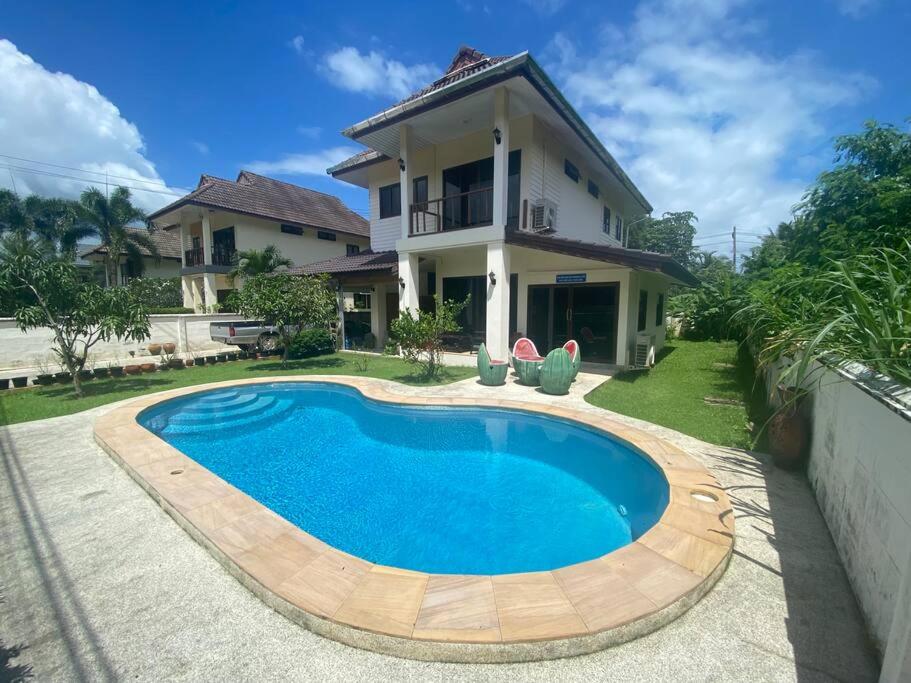
If you are considering having a swimming pool. It should be built in the north-east quadrant.
Colours also influence our emotions. Soft, earthy shades and calming tones help create a
peaceful atmosphere, particularly in bedrooms and prayer rooms.
Excessively dark colours or harsh visual contrasts may unintentionally create feelings of
heaviness and restlessness.
Ultimately, Vasthu Sastra is not about superstition or fear.
Neither is it a rigid set of rules that limits creativity. Instead, it is a timeless science that
encourages us to work with nature rather than against it.
A well-designed bungalow is more than an attractive building.
It becomes a place where the family feels secure, children flourish, relationships strengthen
and peace naturally settles into everyday life.
After all, we may spend a fortune building a beautiful house, but it is the unseen harmony
within its walls that truly transforms it into a happy home.

Award-winning writer Dr. T. Selva is the author of the bestsellers Vasthu Sastra Guide
and Secrets of Happy Living. To get a copy, WhatsApp 019-2728464. He can be reached
at drtselvas@gmail.com. Website: www.vasthuguide.com
Giving your home a fresh face

Giving your home a fresh face
By Dr. T. Selva
Most people take great care of their personal appearance.
They bathe daily, groom themselves, dress neatly, and present their best face to the world.
A well-groomed appearance not only boosts confidence but also creates a positive impression
on others.
Yet, many homeowners overlook an equally important aspect of their lives—the appearance
of the house they live in.
In Vasthu Sastra, a house is not merely a structure of bricks, concrete, and steel.
It is considered a living energy field that absorbs, stores, and radiates vibrations.
Just as a person’s face reflects their health and state of mind, the exterior condition of a house
reflects the quality of energy residing within it.
One of the most neglected aspects of home maintenance is painting.
Over time, paint fades under the harsh effects of sunlight, rain, humidity, and pollution.
Walls begin to crack, colours lose their vibrancy, and patches of peeling paint become visible.
While many view this as a purely cosmetic issue, traditional Vasthu regards it as something
much deeper.
A house with faded, stained, or peeling paint often projects an image of neglect and
stagnation.
Such conditions can subtly influence the mood of occupants and visitors alike.
When a property appears tired and uncared for, it may unconsciously create feelings of
heaviness, lethargy, and disinterest.
From an energetic perspective, neglected surfaces are believed to attract stale, unwanted
vibrations, thereby preventing the free flow of positive energy throughout the property.
The exterior of a home is the first point of contact between the dwelling and the outside
world.
It acts much like the human face. A cheerful smile attracts people, while a gloomy expression
may discourage interaction.
Similarly, a fresh, clean, and well-maintained facade invites uplifting energy and creates a
welcoming atmosphere for residents and guests.
Regular repainting should therefore not be viewed as an unnecessary expense but rather as an
investment in the upkeep and vitality of the home.
A freshly painted house often feels renewed and brighter, attracts prosperity, and feels more
alive.
Many homeowners report a noticeable uplift in mood and enthusiasm after completing
renovation or repainting works.
Whether this is due to psychology, aesthetics, or subtle energetic influences, the positive
effect is undeniable.
Equally important is the choice of colours. Modern housing developments often showcase
homes painted in multiple shades and contrasting colours.

While this may appear fashionable at first glance, excessive colour combinations can create
visual confusion and energetic restlessness.
In Vasthu, simplicity often brings harmony. A house facade should ideally be limited to one
primary colour complemented by a secondary accent tone.
More than two dominant tones can make the building appear busy, fragmented, and
energetically rushed.
The eye finds it difficult to rest, and the overall appearance may become overwhelming rather
than calming.
Among the many colour combinations available, white remains one of the most timeless and
appealing choices.
White symbolises purity, cleanliness, openness, and light. It reflects sunlight effectively,
making the house appear larger, brighter, and more inviting.
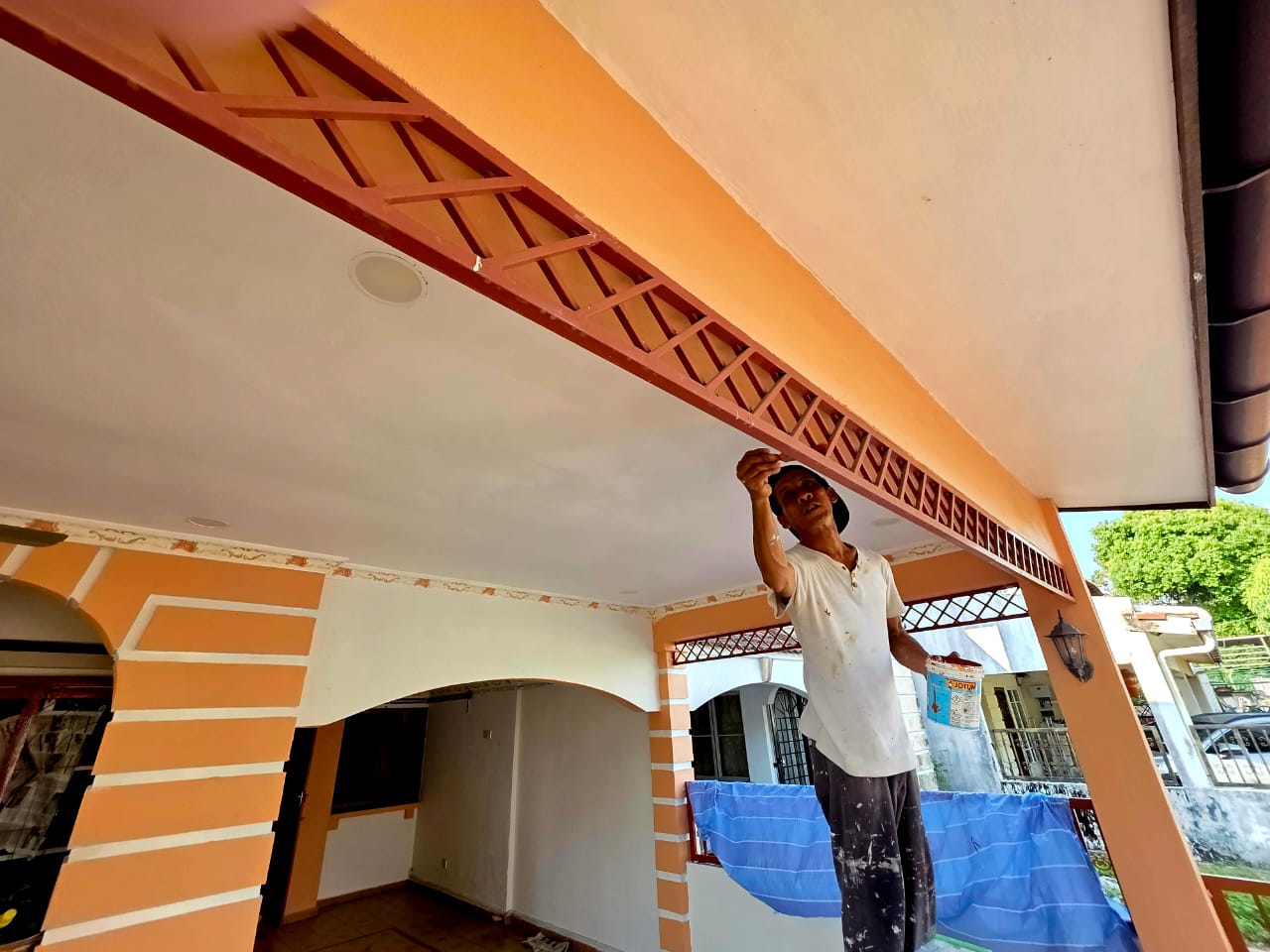
When paired with russet sundown tones on pillars, trims, or selected architectural features,
the effect can be particularly pleasing.
The warm earthy hues of russet create a sense of grounding and stability, while the white
backdrop promotes spaciousness and serenity.
Together, these colours establish a balanced visual rhythm that radiates calm and welcoming
energy.
Earthy shades, soft creams, gentle beiges, and muted natural colours also tend to perform
well from a Vasthu perspective because they harmonise with nature rather than compete
against it.
Where possible, incorporate subtle gold accents on the main gate, door handles, window
frames, or decorative features to create an aura of regal elegance and timeless sophistication.
In Vasthu, gold tones are associated with prosperity, abundance, and positive energy, helping
uplift the home’s overall vibration while conveying warmth, success, and refinement.
Extremely loud colours, harsh contrasts, or excessive use of dark shades like black, grey,
yellow and blue may create unnecessary visual tension and attract dark energies.
Homeowners should also remember that paint alone cannot compensate for poor
maintenance.
The surrounding environment must be kept clean and orderly.
Broken gutters, damaged fences, rusting gates, overgrown vegetation, and cluttered entrances
can diminish the positive impact of even the most beautiful paintwork.
The overall presentation of the property contributes to the quality of energy it projects.
Interestingly, real estate professionals have long recognised the value of curb appeal.
Homes with fresh paint and attractive exteriors often command greater interest from buyers
and tenants.
People naturally gravitate towards properties that appear well cared for.
In this sense, good Vasthu principles frequently align with practical common sense.
The condition of a home may also influence the mindset of those living within it.
When residents see a clean, attractive, and well-maintained environment each day, they are
more likely to develop pride in their surroundings.
This positive emotional connection can encourage better habits, greater discipline, and a
stronger sense of well-being.

Just as we periodically refresh our wardrobe, visit the barber, or update our personal
appearance, our homes also deserve occasional rejuvenation.
A house is our sanctuary, our place of rest, and often our largest investment.
Giving it a fresh coat of paint is akin to giving it a new lease on life.
The next time you notice peeling paint, fading colours, or weather-worn walls, consider it
more than a maintenance issue.
Think of it as your home quietly asking for attention.
By restoring its appearance, you are not merely beautifying a structure, you are revitalising
the energy of the space where your family lives, grows, and creates memories.
After all, when a house wears its best face, it has a remarkable way of bringing out the best in
those who live within it.
Award-winning writer Dr. T. Selva is the author of the bestsellers Vasthu Sastra Guide
and Secrets of Happy Living. To get a copy, WhatsApp 019-2728464. He can be reached
at drtselvas@gmail.com. Website: www.vasthuguide.com
When the planets issue a warning

When the planets issue a warning

By Dr. T. Selva
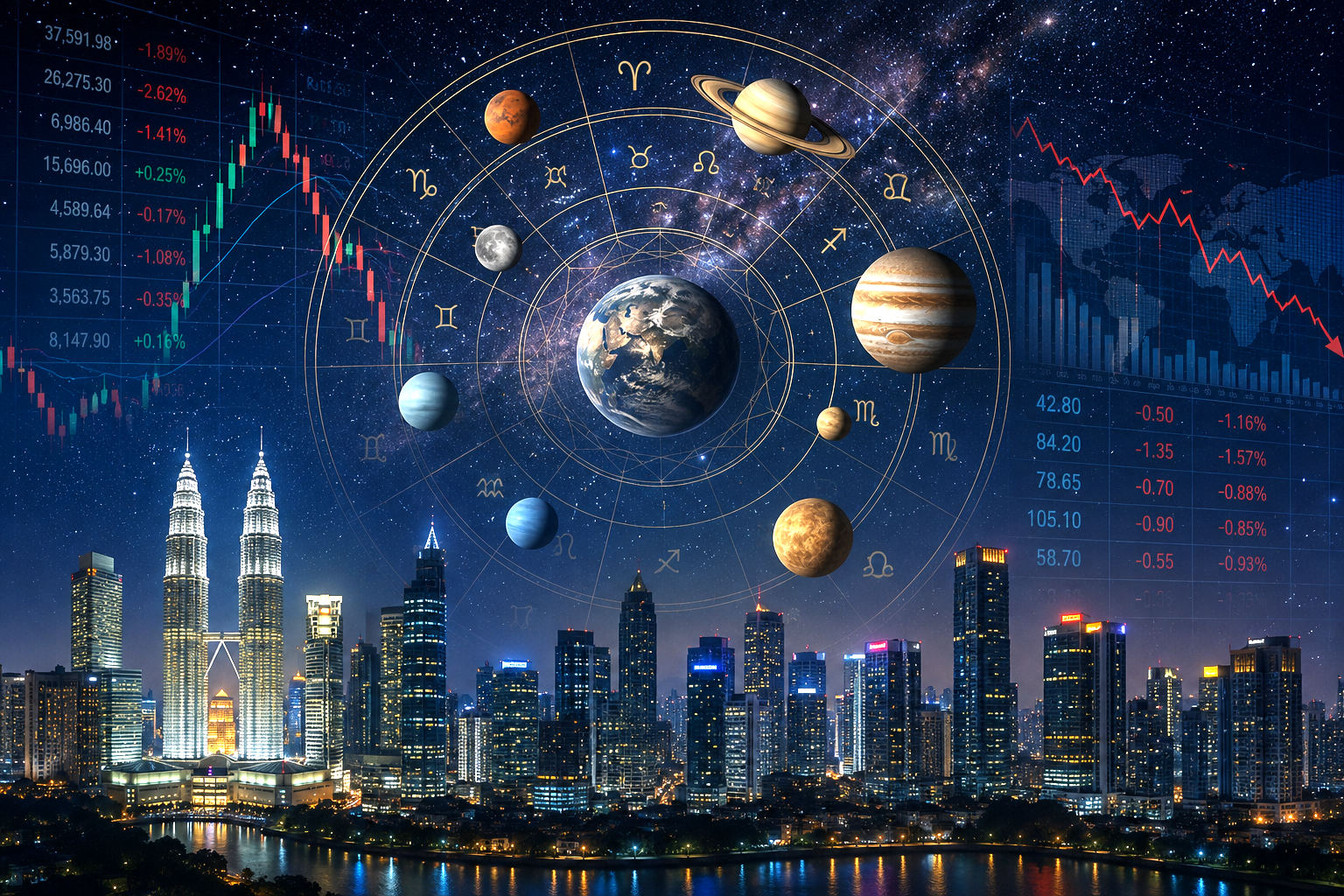
Can the movements of planets offer a glimpse into the future of human affairs?
For centuries, astrologers have insisted they can.
Believers dismiss such claims as irrational belief, while practitioners point to historical
patterns that appear too striking to ignore.
A recent study by Indian financial astrologer and researcher Prof. Krish Murali Eswar from
Chennai has once again stirred this age-old debate.
After analysing nearly two decades of market data alongside planetary movements, he has
arrived at a sobering conclusion: the world may be approaching a particularly challenging
period beginning in August 2026 and lasting for approximately two years.
His warning is not based on prophecy in the traditional sense.
Instead, it is rooted in a statistical study of planetary cycles, stock market behaviour, and
recurring celestial patterns that he believes have coincided with some of the most significant
economic disruptions of modern times.
Prof. Murali shared his findings in his paper Financial Astrology: When the Market Dances
to Cosmic Music at the recent Malaysian Astrological Society International Astrology
Conference 2026 in Kuala Lumpur.
Among the patterns he highlights is Rahu’s (dragon head) movement through the lunar
mansion Dhanishta.
According to his research, the last time Rahu occupied this position was in late 2007.
Within months, the world witnessed the collapse of major financial institutions, culminating
in the Global Financial Crisis of 2008.
Prof. Murali notes that Rahu is expected to return to the lunar mansion on a fixed ephemeris
date of August 3, 2026, and remain there until around April 2027.
While he is careful not to predict another financial crash, he argues that history suggests this
is a period that deserves close observation and prudent preparation.
He also points to other planetary alignments that appeared during major market disruptions,
including the dot-com collapse, the aftermath of the September 11 attacks, the European debt
crisis, and the economic turbulence surrounding the Covid-19 pandemic.
To him, these celestial configurations are not causes of crises but indicators, cosmic signposts
that seem to coincide with periods of instability and transformation.
Whether one accepts astrology or not, there is an interesting lesson hidden within this
research.
True practitioners of financial astrology look at the sky not as a definitive crystal ball, but as
a quiet, extra opinion to overlay onto concrete market charts.
There is a sophisticated discipline to this approach, governed by strict operational rules:
 Rule One: If the cosmic sky agrees with your foundational market charts, you may
choose to size up your positions or hold your ground longer than usual.

 Rule Two: If the sky actively disagrees with your charts, it is a signal to cut your
exposure, step back, and let the chaos settle on your own terms.
 Rule Three: Crucially, one must never make reckless financial moves blindly. Never
buy into a market solely because Rahu enters Dhanishta, and never short an
investment simply because a difficult astrological window opens. Cosmic signals are
tiebreakers to guide us, not standalone triggers for reckless action.
Throughout history, many ancient civilisations observed the heavens not merely for spiritual
reasons but as a guide to timing, planning and preparedness.
Modern society may have replaced astrology with economics, algorithms and artificial
intelligence, yet uncertainty remains a permanent feature of human existence.
Even in an era dominated by technology, the mathematical dates of transit are fixed realities
on the ephemeris, whether it is the looming August 3, 2026, timeline or the historical
alignments that mirrored the hardships of 2008 and 2020.
Yet, as financial experts rightfully warn, past cosmic patterns are not an absolute guarantee of
future financial returns.
Markets evolve, political regimes transform, and a signal that worked yesterday may express
itself differently tomorrow.
What makes Prof. Murali's warning noteworthy is not the planetary explanation itself, but the
practical advice that accompanies it.
He urges people to adopt a more cautious financial approach before August 2026.
Reduce unnecessary debt. Avoid reckless speculation. Build emergency savings. Strengthen
family support systems and hold on to your jobs. Focus on essentials rather than luxuries.
In essence, he advocates an austerity mindset.
Interestingly, this advice would be considered sensible even without any reference to
astrology, as leaders of most countries have cautioned their citizens about the impending
recession stemming from the crisis in the Middle East.
The global economy is already facing multiple challenges.
Geopolitical tensions continue to simmer.
Government debts have reached unprecedented levels in many countries.
Inflation remains a concern. Climate-related disasters are becoming more frequent and costly.
Technological disruption is transforming industries at a pace never seen before.
Against such a backdrop, preparing for uncertainty is simply prudent.
As the old adage goes, we must learn to plan our risks around established rules.
When the dancer and the music line up perfectly, that is the exact moment to pay closest
attention.
Ancient wisdom traditions often taught that difficult periods are not meant to be feared but
respected.
Just as nature experiences seasons of growth and decline, human societies also move through
cycles of prosperity and challenge.
If Prof. Murali’s analysis proves correct, the years ahead may test the resilience of
individuals, businesses and nations.
If it proves incorrect, those who adopted greater financial discipline and reduced unnecessary
risks will still benefit. Either way, there is little harm in exercising caution.

The future has never been fully predictable, whether through economics, science or astrology.
Yet one lesson remains timeless: those who prepare during calm weather are better equipped
to weather the storm when it arrives.
Perhaps that is the real value of such warnings. They remind us that prosperity should never
lead to complacency and that prudence is often the wisest investment of all.
As August 2026 approaches, the question is not whether the planets will determine our
destiny.
The question is whether we will use every available insight—ancient or modern—to prepare
wisely for whatever the future may bring.
Award-winning writer Dr. T. Selva is the author of the bestsellers Vasthu Sastra Guide
and Secrets of Happy Living. To get a copy, WhatsApp 019-2728464. He can be reached
at drtselvas@gmail.com. Website: www.vasthuguide.com
When seven horses inspire or disturb


Dr. T. Selva

Across cultures, symbols carry power, not merely as decoration, but as silent influencers of the human mind and environment.

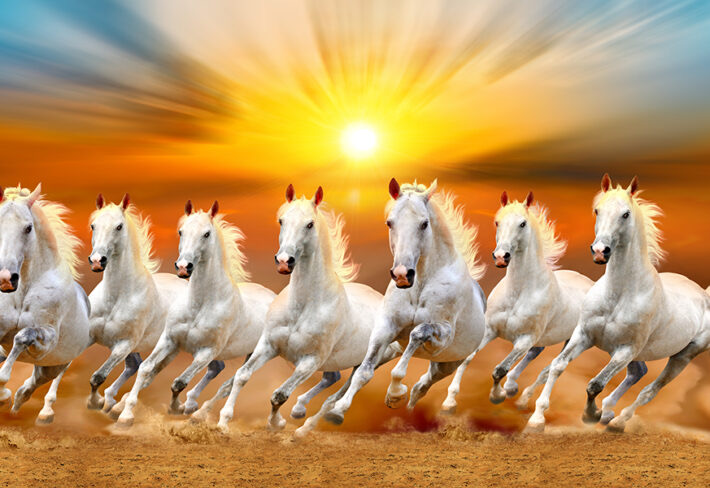
One such widely popular image is that of the seven running horses, often displayed in homes and offices as a talisman of success and progress.

Yet, between the principles of Feng Shui and Vasthu Sastra, there exists an interesting divergence in interpretation.

In Feng Shui, the image of seven galloping horses is considered auspicious.

Horses symbolise speed, strength, endurance, and forward momentum.

When depicted in a group of seven, they are believed to amplify collective energy, driving success, enhancing reputation, and accelerating growth in one’s career or business.

The number seven itself is associated with unity, movement, and positive progression.

According to Feng Shui principles, such imagery is best placed in living rooms or offices, particularly in the south direction, which governs fame and recognition.

A key guideline is that the horses should appear to be running into the space, symbolically bringing in success rather than taking it away.

When chosen carefully, with harmonious and uplifting visuals, this image is said to energise ambition and inspire achievement.

However, when viewed through the lens of Vasthu Sastra, a more nuanced and cautionary perspective emerges.

Vasthu reminds us that images are not inert objects; they radiate subtle psychological and energetic vibrations that can influence the emotional climate of a space.

While horses undoubtedly symbolise power and dynamism, a depiction of seven charging or aggressively galloping horses may introduce an imbalance rather than harmony if not thoughtfully selected.

In Vasthu philosophy, such imagery can generate excessive active energy.

Instead of calm and steady progress, it may create a sense of restlessness, an unconscious push towards haste, impatience, and tension.

In a home environment, which ideally should nurture peace and emotional security, this can translate into anxiety, conflicts, or a persistent feeling of being “on edge.”

The posture and expression of the horses also matter greatly.

Images showing raised hooves, flared nostrils, or aggressive stances can symbolise attack or escape energy.

Such visuals may subconsciously disturb the mind, affect sleep patterns, and create subtle emotional unease, especially if placed in sensitive areas like bedrooms or near the main entrance.

Vasthu does not outright reject the symbolism of the seven horses.

In fact, it acknowledges their association with Surya, the Sun, and with movement and success.

However, it emphasises balance over blind symbolism.

The depiction should reflect controlled motion, grace, and harmony and not chaos or aggression.

If one chooses to display such artwork, it is advisable to select imagery where the horses appear calm yet purposeful, moving forward with elegance rather than frenzy.

Gentle and peaceful animals such as cows, deer, elephants, and swans are highly recommended.

The cow symbolises nurturing, abundance, and selfless giving, ideal for creating a soothing and spiritually uplifting atmosphere.

Deer represent gentleness and sensitivity, bringing calmness and grace into a space. Elephants, especially with trunks down and not raised, are powerful symbols of wisdom, protection, and prosperity, while swans signify purity, peace, and positive transformation.

Peacocks represent longevity, beauty, and positive energy.

Placement in the living and work space can be more supportive, aligning with growth and clarity while avoiding overstimulation of the living space.

In essence, the difference lies not in the symbol, but in its expression and context.

Feng Shui celebrates the dynamic energy of the horses as a catalyst for success, while Vasthu gently cautions against excess, reminding us that true prosperity must coexist with peace.

After all, progress is most meaningful when it is steady, balanced, and harmonious and not when it feels like an endless race.

Ultimately, the choice of what we display in our homes and workspaces should be made with mindfulness and awareness.

Every image or photograph we place on our walls is not merely decorative, it carries a subtle energy that quietly influences our thoughts, emotions, and behaviour.

When we become conscious of these unseen effects, we can create spaces that not only reflect success and progress but also nurture peace, balance, and inner harmony.

Award-winning writer Dr. T. Selva is the author of the bestsellers Vasthu Sastra Guide and Secrets of Happy Living. To get a copy, WhatsApp 019-2728464. He can be reached at drtselvas@gmail.com. Website: www.vasthuguide.com
Astro Vasthu

Astro Vasthu combines astrology and Vastu Shastra to create a personalized approach to harmonizing your living space. Here’s how it works:

  1. Birth Chart Analysis:
  • An Astro Vasthu, analyzes your birth chart (horoscope) to understand your planetary influences and their strengths and weaknesses.
  • This analysis identifies which areas of your life may be facing challenges due to planetary positions.
  1. Vasthu Principles:
  • Vasthu Sastra, the traditional Indian architectural science, focuses on aligning buildings with natural energies.
  • Astro Vasthu considers the layout, directions, and elements of your home according to Vasthu principles.
  1. Correlation and Recommendations:
  • The expert correlates the information from your birth chart with the Vasthu analysis of your home.
  • They identify any imbalances or conflicts between your planetary influences and the energies of your living space.
  • Based on this, they provide personalized recommendations, which may include:
  • Placement of objects: Suggesting the ideal location for furniture, electronics, and décor items.
  • Colors: Recommending auspicious colors for walls, curtains, and furnishings.
  • Gemstones and crystals: Suggesting the use of specific gemstones or crystals to enhance positive energies.
  • Mantras and rituals: Recommending specific mantras or rituals to appease certain planets or energies.
    The Goal:
    Astro Vasthu aims to create a harmonious environment that supports your well-being, success, and happiness by balancing your planetary influences with the energies of your home.

Bangalore Development Authority [ BDA ) says 3586 units are unsold due to Vasthu consideration

consideration have emerged as a significant factor contributing to the declining demand for Bangalore Development Authority flats, despite their affordable pricing. With over 3,586 units still unsold, BDA is grappling with financial strains and has turned to private builders to help offload the remaining inventory. Efforts to boost sales through online platforms, flat sale fairs, and bulk buyer discounts are yet to yield the desired results. Several factors contributing to the sluggish sales of BDA flats, including lack of Vasthu complaint designs, which is a key consideration of many potential buyers, Said a senior BDA member.

Courtesy TOI 11/09/2024