


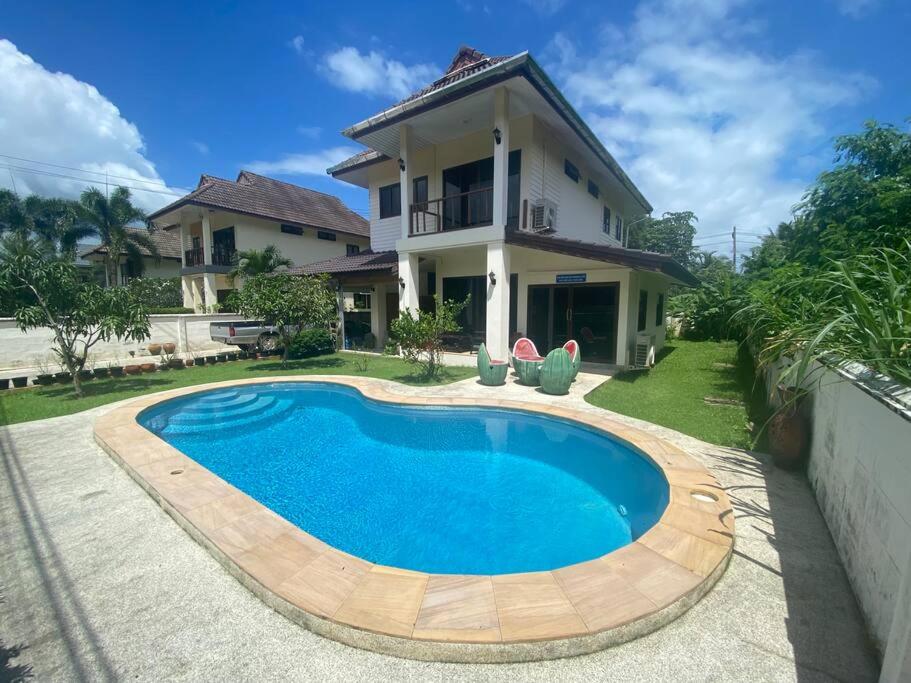


Building a bungalow that nurtures life
By Dr. T. Selva
Many people spend months choosing the perfect location, engaging architects, comparing
designs and selecting expensive finishes before building their dream bungalow.
Yet, surprisingly few consider one of the most important aspects of all, the invisible energy
that will surround the family for decades to come.
According to the ancient science of Vasthu Sastra, a house is much more than walls, a roof
and beautiful interiors.
It is a living energy field that constantly interacts with its occupants.
Every direction, room, doorway and open space influences the health, happiness,
relationships and prosperity of those who live within it.
A bungalow offers a wonderful opportunity to create such harmony because it sits directly on
the earth, allowing the land\’s natural energies to flow more freely throughout the home.
The journey begins even before the first brick is laid. The land itself plays a vital role.
A regular square or rectangular plot is considered ideal because it symbolises stability and
balance.
North-and east-facing plots are generally preferred, as they receive life-giving morning
sunlight and align well with the Earth’s magnetic forces.
South and west-facing plots can also be considered based on the owner’s moon sign.
One of the most important features of any home is the main entrance.
In Vasthu Sastra, the main door is regarded as the mouth of the house through which energy
enters.
Its exact location should never be decided purely for convenience or appearance.
A correctly positioned entrance welcomes positive vibrations, while an improperly placed
one may create unnecessary obstacles and stress for the occupants.
Many homeowners also overlook another simple but important recommendation.
Vasthu advises that both doors and windows should each be in even numbers.
Doors are counted separately from windows. This symmetry is believed to promote a
smoother and more balanced flow of energy throughout the home.
The placement of rooms is equally important because every direction represents one of
nature’s five elements.
The south-west, governed by the earth element, is the ideal location for the master bedroom.
This area provides strength, security and stability for the head of the family.
The kitchen belongs in the south-east, the direction associated with the fire element, or the
northwest, which is associated with air.
Whenever possible, the person preparing meals should face east or north while cooking,
allowing the first rays of the morning sun to symbolically energise the food that nourishes the
family.
The prayer room or meditation space is best located in the north-east, regarded as the most
spiritually powerful part of the home.
This sacred corner naturally supports peace, reflection and spiritual growth.
Bathrooms are more suitable in the north-west or south-east. They should be avoided in the
north-east, south-west quadrants and particularly at the centre of the house, where they may
disturb the natural energy balance.
One of the most neglected areas in modern homes is the centre of the building, known in
Vasthu as the Brahmasthan.
This is considered the energetic heart of the house. Ideally, it should remain open, bright and
uncluttered.
Heavy furniture, storage rooms, thick structural walls or large pillars in this area may obstruct
the free circulation of subtle energy.
Water placement also carries great significance. Overhead water tanks should be positioned in
the south-west.
This arrangement creates both structural and energetic balance throughout the property.
If the bungalow includes a staircase, it should preferably rise clockwise and be located in the
southern or western portion of the house.
Anti-clockwise staircases are discouraged because they are believed to interfere with the
natural movement of positive energy.
The outdoor environment should not be ignored.
A thoughtfully designed garden contributes greatly to the wellbeing of the home.
Fragrant flowering plants and herbs can be placed in the north and east, while larger trees are
more suitable in the south and west where they provide shade without blocking the beneficial
morning sunlight.
Thorny plants should be avoided as they are believed to create psychological discomfort and
energetic disturbances.
Natural light and fresh air remain two of the simplest yet most effective remedies in Vasthu.
Windows facing the east and north allow the gentle morning sun to enter the home, bringing
warmth, vitality and a sense of freshness.
Good cross-ventilation prevents stagnant air and creates an environment that feels vibrant and
welcoming.
If you are considering having a swimming pool. It should be built in the north-east quadrant.
Colours also influence our emotions. Soft, earthy shades and calming tones help create a
peaceful atmosphere, particularly in bedrooms and prayer rooms.
Excessively dark colours or harsh visual contrasts may unintentionally create feelings of
heaviness and restlessness.
Ultimately, Vasthu Sastra is not about superstition or fear.
Neither is it a rigid set of rules that limits creativity. Instead, it is a timeless science that
encourages us to work with nature rather than against it.
A well-designed bungalow is more than an attractive building.
It becomes a place where the family feels secure, children flourish, relationships strengthen
and peace naturally settles into everyday life.
After all, we may spend a fortune building a beautiful house, but it is the unseen harmony
within its walls that truly transforms it into a happy home.
Award-winning writer Dr. T. Selva is the author of the bestsellers Vasthu Sastra Guide
and Secrets of Happy Living. To get a copy, WhatsApp 019-2728464. He can be reached
at drtselvas@gmail.com. Website: www.vasthuguide.com

