


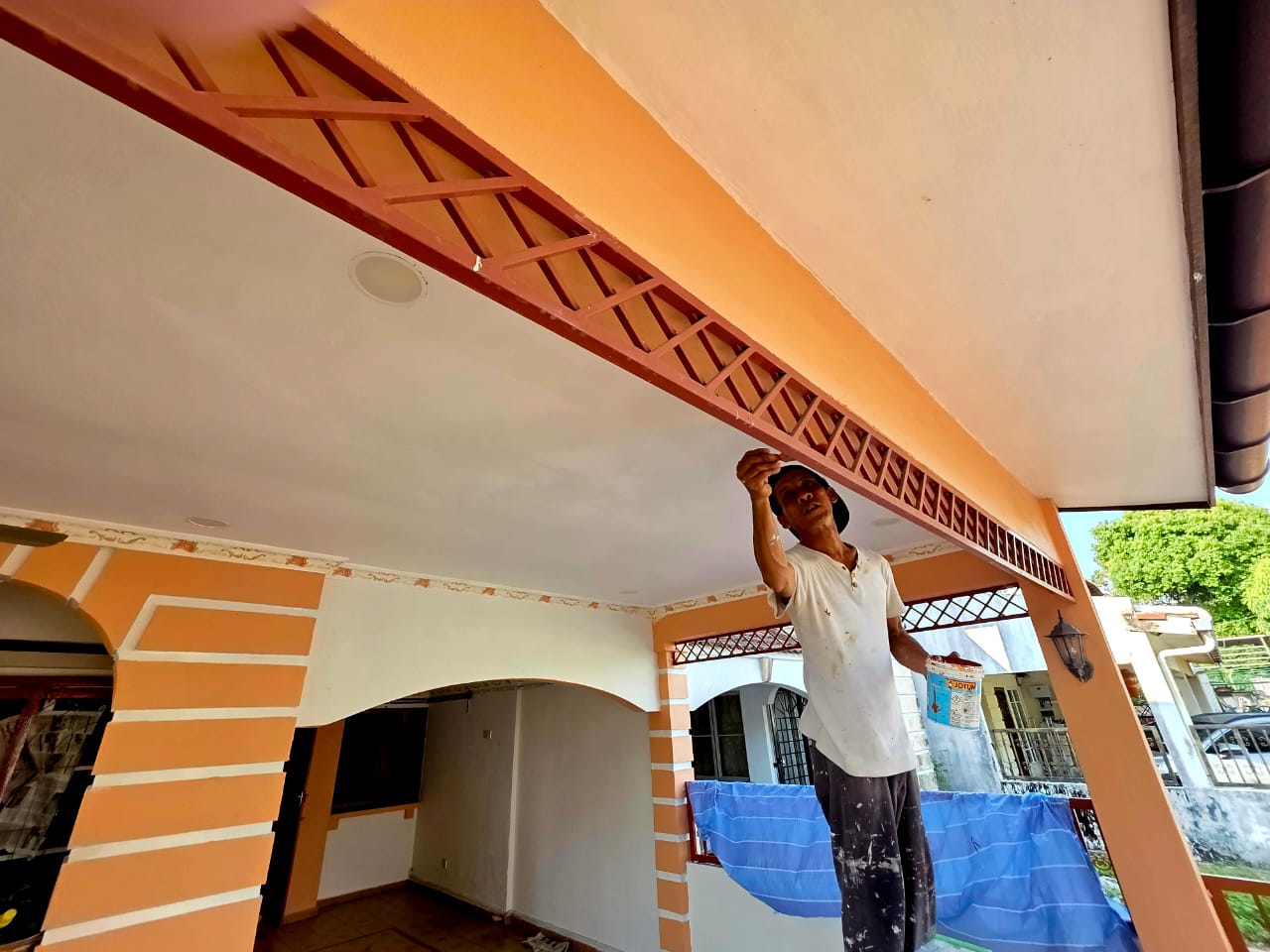


Giving your home a fresh face
By Dr. T. Selva
Most people take great care of their personal appearance.
They bathe daily, groom themselves, dress neatly, and present their best face to the world.
A well-groomed appearance not only boosts confidence but also creates a positive impression
on others.
Yet, many homeowners overlook an equally important aspect of their lives—the appearance
of the house they live in.
In Vasthu Sastra, a house is not merely a structure of bricks, concrete, and steel.
It is considered a living energy field that absorbs, stores, and radiates vibrations.
Just as a person’s face reflects their health and state of mind, the exterior condition of a house
reflects the quality of energy residing within it.
One of the most neglected aspects of home maintenance is painting.
Over time, paint fades under the harsh effects of sunlight, rain, humidity, and pollution.
Walls begin to crack, colours lose their vibrancy, and patches of peeling paint become visible.
While many view this as a purely cosmetic issue, traditional Vasthu regards it as something
much deeper.
A house with faded, stained, or peeling paint often projects an image of neglect and
stagnation.
Such conditions can subtly influence the mood of occupants and visitors alike.
When a property appears tired and uncared for, it may unconsciously create feelings of
heaviness, lethargy, and disinterest.
From an energetic perspective, neglected surfaces are believed to attract stale, unwanted
vibrations, thereby preventing the free flow of positive energy throughout the property.
The exterior of a home is the first point of contact between the dwelling and the outside
world.
It acts much like the human face. A cheerful smile attracts people, while a gloomy expression
may discourage interaction.
Similarly, a fresh, clean, and well-maintained facade invites uplifting energy and creates a
welcoming atmosphere for residents and guests.
Regular repainting should therefore not be viewed as an unnecessary expense but rather as an
investment in the upkeep and vitality of the home.
A freshly painted house often feels renewed and brighter, attracts prosperity, and feels more
alive.
Many homeowners report a noticeable uplift in mood and enthusiasm after completing
renovation or repainting works.
Whether this is due to psychology, aesthetics, or subtle energetic influences, the positive
effect is undeniable.
Equally important is the choice of colours. Modern housing developments often showcase
homes painted in multiple shades and contrasting colours.
While this may appear fashionable at first glance, excessive colour combinations can create
visual confusion and energetic restlessness.
In Vasthu, simplicity often brings harmony. A house facade should ideally be limited to one
primary colour complemented by a secondary accent tone.
More than two dominant tones can make the building appear busy, fragmented, and
energetically rushed.
The eye finds it difficult to rest, and the overall appearance may become overwhelming rather
than calming.
Among the many colour combinations available, white remains one of the most timeless and
appealing choices.
White symbolises purity, cleanliness, openness, and light. It reflects sunlight effectively,
making the house appear larger, brighter, and more inviting.
When paired with russet sundown tones on pillars, trims, or selected architectural features,
the effect can be particularly pleasing.
The warm earthy hues of russet create a sense of grounding and stability, while the white
backdrop promotes spaciousness and serenity.
Together, these colours establish a balanced visual rhythm that radiates calm and welcoming
energy.
Earthy shades, soft creams, gentle beiges, and muted natural colours also tend to perform
well from a Vasthu perspective because they harmonise with nature rather than compete
against it.
Where possible, incorporate subtle gold accents on the main gate, door handles, window
frames, or decorative features to create an aura of regal elegance and timeless sophistication.
In Vasthu, gold tones are associated with prosperity, abundance, and positive energy, helping
uplift the home’s overall vibration while conveying warmth, success, and refinement.
Extremely loud colours, harsh contrasts, or excessive use of dark shades like black, grey,
yellow and blue may create unnecessary visual tension and attract dark energies.
Homeowners should also remember that paint alone cannot compensate for poor
maintenance.
The surrounding environment must be kept clean and orderly.
Broken gutters, damaged fences, rusting gates, overgrown vegetation, and cluttered entrances
can diminish the positive impact of even the most beautiful paintwork.
The overall presentation of the property contributes to the quality of energy it projects.
Interestingly, real estate professionals have long recognised the value of curb appeal.
Homes with fresh paint and attractive exteriors often command greater interest from buyers
and tenants.
People naturally gravitate towards properties that appear well cared for.
In this sense, good Vasthu principles frequently align with practical common sense.
The condition of a home may also influence the mindset of those living within it.
When residents see a clean, attractive, and well-maintained environment each day, they are
more likely to develop pride in their surroundings.
This positive emotional connection can encourage better habits, greater discipline, and a
stronger sense of well-being.
Just as we periodically refresh our wardrobe, visit the barber, or update our personal
appearance, our homes also deserve occasional rejuvenation.
A house is our sanctuary, our place of rest, and often our largest investment.
Giving it a fresh coat of paint is akin to giving it a new lease on life.
The next time you notice peeling paint, fading colours, or weather-worn walls, consider it
more than a maintenance issue.
Think of it as your home quietly asking for attention.
By restoring its appearance, you are not merely beautifying a structure, you are revitalising
the energy of the space where your family lives, grows, and creates memories.
After all, when a house wears its best face, it has a remarkable way of bringing out the best in
those who live within it.
Award-winning writer Dr. T. Selva is the author of the bestsellers Vasthu Sastra Guide
and Secrets of Happy Living. To get a copy, WhatsApp 019-2728464. He can be reached
at drtselvas@gmail.com. Website: www.vasthuguide.com

