



Master Yuvaraj Sowma
The Shame We See in Others, but Hide Within Ourselves
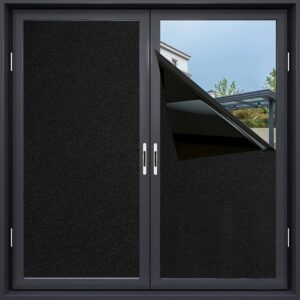
I will see the shameful world through my tinted windows, but I will not allow the world to see mine.
The Glass Through Which We Judge Others
Every human being looks at the world through a different window. Some see kindness, compassion, and goodness, while others search for mistakes, weaknesses, and failures. Interestingly, the way we see others often reveals more about our own minds than it does about the people we judge.
Tinted windows offer a powerful metaphor for human nature. They allow us to observe the world while controlling how much others can see of us. We comfortably examine the shortcomings of our neighbours, friends, colleagues, and even strangers. We discuss their mistakes, criticise their decisions, and expose their weaknesses. Yet, when the same light turns towards us, we instinctively draw the curtains.
Why are we so quick to recognise the faults of others but so reluctant to acknowledge our own?
The Comfort of Criticism
Criticising others is easy. It requires little courage, little self-reflection, and almost no personal sacrifice. A person’s mistake can become a topic of conversation, a moment of entertainment, or an opportunity to feel superior.
We often judge others by their actions but judge ourselves by our intentions. When someone else makes a mistake, we call it a character flaw. When we make the same mistake, we offer an explanation. We expect others to be accountable, while we ask them to understand our circumstances.
This double standard is one of the most common contradictions in human behaviour.
The problem is not that we notice the faults of others. The problem begins when we believe that noticing their faults makes us faultless.
Our Own Windows Remain Closed
Every person has imperfections, private struggles, regrettable decisions, and moments they would rather forget. Nobody lives a life entirely free from mistakes.
Yet, many people work harder to protect their image than to improve their character. They polish their public reputation, carefully select what they reveal, and conceal anything that might damage the image they have created.
Social status, wealth, education, professional success, and public recognition may make a person appear respectable. But none of these can replace honesty, humility, or integrity.
A beautiful window does not guarantee a beautiful room behind it.
Similarly, a respectable public image does not necessarily reflect the truth of a person’s private life.
The Courage to Look Within
True wisdom begins when we stop asking, “What is wrong with the world?” and start asking, “What needs to change within me?”
Self-examination is far more difficult than criticism because it demands honesty. It requires us to acknowledge our mistakes without excuses, accept our weaknesses without shame, and correct our behaviour without waiting for others to change first.
A person who can recognise their own shortcomings becomes less eager to humiliate others. They understand that everyone is fighting battles that may not be visible from the outside.
This does not mean we should ignore wrongdoing or remain silent in the face of injustice. It means that our judgments should be guided by fairness rather than hypocrisy, and by the desire for improvement rather than the pleasure of condemnation.
Remove the Tint Before Judging the View
Imagine a world in which everyone spent less time exposing the mistakes of others and more time correcting their own. Families would experience greater understanding, workplaces would become more respectful, friendships would become more genuine, and society would have fewer reasons to divide itself through gossip and accusations.
The world does not need more people who are experts at finding faults. It needs more people who possess the courage to admit their own.
Before pointing a finger at someone, we should remember that three fingers point back towards ourselves. Before exposing another person’s weakness, we should ask whether we have the honesty to face our own.
After all, the purpose of a window should not be merely to observe the outside world. It should also remind us that we, too, are visible to others.
A Final Reflection
Tinted windows may protect our privacy, but they should never become a shield for our hypocrisy.
We cannot demand transparency from others while practising concealment ourselves. We cannot expect respect without giving it, or demand honesty while refusing to acknowledge the truth about our own behaviour.
The greatest shame is not having imperfections. The greatest shame is condemning others for the very imperfections we refuse to admit in ourselves.
Let us look at the world with clear eyes, judge others with fairness, and look within ourselves with courage.
Because the day we stop using tinted windows to hide our own faults is the day we begin to see the world more honestly.
Master Yuvaraj Sowma
7th Generation Heriditary Vasthu Consultant from Chennai, India.
Can be contacted email: masteryuvaraj@gmail.com